


CASE STUDIES
The beauty of Nippon paint is that our coatings look good while being highly practical. Explore the Case Studies below to learn how to maximise our product benefits.
Recurring roof leaks are one of the most frustrating issues for older residential buildings. The problem becomes even more serious when the roof had already been waterproofed before, yet the leaks still return within just a few years. For residents, it leads to repeated inconvenience and damage. For building owners and management committees, they need to act quickly while trying to avoid another failed repair cycle. That was the situation at a residential building in Kuala Lumpur that is almost 39 years old. Over the years, recurring roof leaks had affected several units in the building. What made the issue more concerning was that the roof had actually undergone waterproofing less than five years earlier. Despite that, the leakage started coming back. This is not uncommon in older buildings. When waterproofing fails earlier than expected, the problem is often not just the material alone. In many cases, it is the result of poor surface preparation, weak workmanship, blocked drainage, water ponding, or an incompatible waterproofing system being applied over an existing roof condition. Why roof leaks can return even after waterproofing Many people assume that once a roof has been waterproofed, it should remain protected for years without issue. In reality, waterproofing performance depends on much more than simply applying a membrane. The substrate condition, surface preparation, drainage, layer build-up, reinforcement, and workmanship all affect how long the system will perform. When Nippon Paint inspected the rooftop areas of this residential building, several conditions were identified that are commonly seen in ageing properties. First, the existing waterproofing membrane had already deteriorated in almost all areas. This meant that the roof surface was no longer providing consistent protection against water ingress. Second, some outlets were partially blocked, causing water ponding to occur on the roof. Standing water is one of the most common reasons waterproofing systems come under continuous stress. Over time, this can weaken even a previously installed system, especially when combined with surface defects or poor detailing. Third, and most importantly, the surface preparation from the previous repair works had not been properly carried out. This is often one of the biggest hidden reasons waterproofing fails early. When the substrate is not prepared correctly, the new membrane may not bond properly, and the system can begin to fail long before it should. In many cases like this, the issue is not just the product itself. It is the combination of workmanship, preparation, drainage condition, and system compatibility. When these factors are not properly addressed, waterproofing systems can fail much earlier than expected. Why this matters even more in older residential buildings Older residential buildings present a more demanding waterproofing challenge. Roofs that have been exposed for decades are more likely to have weathered surfaces, previous repair layers, drainage problems, and movement-related stress. That is why re-waterproofing should never be treated as a simple patching exercise. In older buildings, it requires proper diagnosis, a system that is compatible with the existing roof condition, and careful application by trained specialists. Without that approach, the building risks entering a cycle of repeated repairs, where leaks keep returning and maintenance costs continue rising. What should be checked before approving re-waterproofing works For building owners, property managers, and management committees, this case also highlights several important things to check before any re-waterproofing project is approved. 1. Request a proper surface preparation method statement The roof surface condition determines how well the new waterproofing system will perform. A proper method statement should clearly explain how the surface will be cleaned, treated, and prepared before any waterproofing layers are installed. 2. Confirm system compatibility with the existing roof condition Not every waterproofing system is suitable for re-waterproofing. In older buildings especially, the proposed solution must be compatible with the actual substrate condition and site exposure. 3. Review the system thickness and full layer sequence Waterproofing performance depends heavily on correct film build, reinforcement, and layer sequence. A system is not just one coat. It is a structured build-up that must be applied correctly. 4. Ensure supervision during critical application stages Even a good product can fail if the installation is poorly supervised. Surface preparation, crack treatment, reinforcement placement, detailing, and layer thickness all need proper control on site. 5. Document the roof condition before and after the works This helps create a clearer record for future maintenance planning and gives all stakeholders better visibility into the roof’s actual condition and what was done during the repair. These checks are important because they help reduce the risk of another premature failure. Why the Management Committees selected Nippon Paint For this project, the building stakeholders were looking for a manufacturer with proven waterproofing systems and a strong track record in similar projects. Confidence in the system provider matters, especially when previous repair attempts have already failed. Nippon Paint has delivered waterproofing solutions for developments such as Hilton Hotel, Angsana Mall, TM Buildings, and Sky Oasis Residence. With that confidence, the project team selected Nippon Paint’s reinforced waterproofing system for the rooftop refurbishment. The waterproofing system used for this rooftop refurbishment For this project, Nippon Paint implemented a multi-layer waterproofing system using NippoSEAL FLEX 200 Fibre Pro. The system began with a primer layer of NippoSEAL FLEX 200 Fibre Pro to ensure strong adhesion between the substrate and the waterproofing membrane. This first step is essential in helping the system bond properly to the roof surface. Next, NippoSEAL FLEX 200 Fibre Pro was applied. This membrane contains micro-fibre reinforcement, which helps improve film strength and durability. After that, a reinforcement layer using Nippon Paint LM Mat 225 was installed to further strengthen the waterproofing membrane. Finally, additional reinforced layers of NippoSEAL FLEX 200 Fibre Pro were applied to achieve the required thickness and protection. The result is a seamless, breathable waterproofing membrane designed to resist ageing caused by heat, UV exposure, rain, and wind. The integrated micro-fibre reinforcement also helps the membrane accommodate expansion and contraction stresses that commonly occur on exposed roof surfaces. Why this system is suitable for older rooftops This reinforced system is especially valuable for older residential buildings because it is designed to address several common roof challenges at once. It provides: Strong adhesion The primer layer helps improve bonding to the substrate, which is critical in re-waterproofing works Improved film strength The micro-fibre reinforced membrane helps make the waterproofing system more durable. Additional membrane reinforcement The LM Mat 225 layer adds further strength to the overall build-up. A seamless protective layer A seamless membrane reduces weak points across the roof surface. Resistance to weathering and ageing The system is designed to withstand heat, UV, rain, and wind exposure over time. Accommodation of roof movement The reinforced membrane helps handle the expansion and contraction stresses that are common on roof surfaces. Why workmanship is just as important as product choice For older buildings especially, waterproofing should not be treated as a temporary repair. Long-term performance depends not only on the product, but also on correct preparation and proper application. For this reason, all works for this project were carried out by waterproofing specialists to help ensure proper surface preparation and correct system installation. The waterproofing system also comes with a 5 to 10-year warranty, giving the building greater long-term assurance. In addition, Nippon Paint’s waterproofing systems are supported by SIRIM certification, Green certification, and laboratory test reports, providing added confidence in both quality and performance. Conclusion This 39-year-old residential building in Kuala Lumpur is a clear example of why roof leaks can return even after waterproofing. The real causes were not limited to one failed material, but involved deteriorated membrane condition, partially blocked outlets, water ponding, and poor surface preparation from previous repair works. It is also a reminder that re-waterproofing for older buildings requires more than just another layer of coating. It requires proper diagnosis, a compatible system, correct thickness and reinforcement, disciplined workmanship, and specialist supervision. With Nippon Paint’s reinforced multi-layer waterproofing system, the building was able to move toward a more reliable and long-term roof protection solution. If your building is facing recurring roof leakage, it is important to act before the problem worsens. A proven system, supported by proper application and technical expertise, can make the difference between another short-term repair and long-lasting protection. FAQ Why does a roof leak again after waterproofing? A roof can leak again after waterproofing if the earlier repair did not properly address the real causes of failure, such as poor surface preparation, blocked drainage, water ponding, deteriorated membrane condition, or weak workmanship. Can waterproofing fail within five years? Yes. Waterproofing can fail much earlier than expected if the substrate was not prepared correctly, the wrong system was used, drainage issues were not resolved, or the application quality was poor. Why is water ponding bad for roof waterproofing? Water ponding places continuous stress on the waterproofing membrane. Over time, this can weaken the system and increase the likelihood of leaks. What should older buildings check before rewaterproofing? Older buildings should check the condition of the existing roof, the surface preparation method, system compatibility, drainage condition, full layer sequence, specified thickness, and supervision during application. What is NippoSEAL FLEX 200 Fibre Pro used for? NippoSEAL FLEX 200 Fibre Pro is used as part of a reinforced multi-layer waterproofing system to provide a seamless, durable membrane for exposed roof areas. Why does workmanship matter in waterproofing? Even a strong waterproofing product can fail if it is not installed properly. Surface preparation, detailing, reinforcement placement, and correct thickness all affect long-term performance. Contact Nippon Paint for your flooring solution needs. To learn more, visit https://professional.nipponpaint.com.my/waterproofing-solutions or contact our Customer Careline at 1-800-88-2663 or email us at customercare@nipponpaint.com.my
The nearly 20-year-old commercial rooftop before the new waterproofing system was installed Why This Commercial Roof Kept Leaking Despite Multiple Repairs One of the most frustrating problems for building owners is not a roof leak itself, but a roof leak that keeps coming back even after multiple repairs. At this nearly 20-year-old commercial building, the owner had already tried fixing the issue before. Yet complaints from office tenants continued, including leaking ceilings, damaged cabinets, and persistent damp smells. The issue was no longer just a maintenance inconvenience. It had become an ongoing building problem that affected tenant comfort, asset condition, and confidence in the repairs being done. The real issue was not simply where the water was entering, but why the leaks kept returning. That question is what separates temporary patchwork from a proper waterproofing solution. Why repeated roof leaks are a serious commercial building problem When a commercial roof keeps leaking despite previous repair works, it usually means the root cause has not been fully identified. In many cases, surface patching may temporarily hide the symptoms, but it does not solve the actual site conditions that continue to stress the waterproofing system. At this building, inspection revealed that the damage was already affecting daily operations. Office tenants had experienced leakage, interior damage, and damp odours, all of which can create dissatisfaction and ongoing maintenance costs. This is why repeated roof leakage should never be treated as a minor defect. It is often a sign that the waterproofing system, drainage condition, substrate movement, or workmanship quality needs a more thorough evaluation. The primary causes of failure: blocked drainage and significant water ponding The real reasons the roof kept leaking 1. Blocked drainage and water ponding One of the biggest issues was blocked drainage combined with water ponding. When water cannot drain away efficiently, it remains on the roof surface for too long, placing continuous pressure on the waterproofing membrane. Over time, prolonged water exposure weakens the system and increases the risk of failure. In this case, the problem was made worse by the presence of 13 water tanks on the roof, contributing to uneven water flow and additional moisture stress. Standing water (ponding) on top of the waterproofing membrane 2. Failed waterproofing from previous repair attempts The existing waterproofing had already failed within one to two years. Based on the assessment, it was likely a DIY-type application using low-grade materials. When the wrong material is used or not suited for actual site conditions, repairs do not last. The deteriorated condition of the existing roof membrane 3. Deteriorated membrane condition The roof membrane had deteriorated significantly. Poor material quality and workmanship reduced its ability to withstand weather, standing water, and building movement. Cracks caused by thermal movement on the concrete roof 4. Cracks caused by thermal movement Roofs expand and contract due to temperature changes. This movement creates cracks, which become entry points for water if the waterproofing system cannot accommodate movement. Why basic repair was not enough This case clearly showed that the building did not need another short-term fix. It required a waterproofing system designed around the actual site challenges. When ponding, failed materials, deteriorated membranes, and movement are all involved, addressing only visible cracks will not solve the issue. Installation of the NippoGARD M4000-TA system by specialists The Nippon Paint solution: a two-layer waterproofing system After identifying the root causes, Nippon Paint recommended the NippoGARD M4000-TA system, a customised two-layer waterproofing solution. The process began with Nippon Paint PRIMEBIT as a primer to improve adhesion. This was followed by the application of NippoGARD M4000-TA, a high-performance sheet membrane reinforced with 140g/m² mesh for added strength and durability. Why workmanship matters as much as the product A waterproofing system is only as reliable as its installation. Even strong materials can fail if not applied correctly. In this project, approved specialists carried out the installation to ensure quality workmanship. The system is supported by SIRIM lab-tested reports and offers up to a 10-year warranty. The completed waterproofing system build-up The result: from recurring leaks to long-term roof protection With the new system installed, the roof was properly sealed and protected. This resulted in: No more recurring leaks The system addressed root causes instead of symptoms. Protection for interiors Prevented further damage to ceilings and fixtures. Improved tenant comfort Reduced damp smells and complaints. Long-term confidence Backed by proper system design, workmanship, and warranty. What building owners should learn from this case Recurring roof leaks require deeper investigation. Building owners should evaluate: Is there water ponding? Is drainage blocked? Is the membrane deteriorated? Are cracks caused by movement? Were correct materials used? Was the work done by specialists? The finished roof after waterproofing installation Conclusion If a commercial roof keeps leaking despite multiple repairs, the problem is usually deeper than one visible crack. It often involves ponding, drainage issues, poor materials, or weak workmanship. With proper diagnosis and the right system, it is possible to stop recurring leaks and protect the building long term. FAQ Why does a commercial roof keep leaking after repair? Because the root cause was not resolved. Common reasons include ponding, drainage issues, poor materials, or weak workmanship. Can roof leak repair fail within one to two years? Yes, especially when low-quality materials or improper application methods are used. What causes water ponding on roofs? Blocked drainage, poor slope, or design issues can cause water to collect and remain on the surface. Why is ponding harmful? It places continuous stress on waterproofing systems, increasing failure risk. What is the best way to fix recurring roof leaks? Identify root causes and apply a properly designed waterproofing system instead of patch repairs. Does workmanship affect waterproofing? Yes. Proper installation is critical for long-term performance. Contact Nippon Paint for your flooring solution needs. To learn more, visit https://professional.nipponpaint.com.my/waterproofing-solutions or contact our Customer Careline at 1-800-88-2663 or email us at customercare@nipponpaint.com.my
Visible ponding and water seepage in the exhibition center's high-traffic wet areas before treatment How Tile & Concrete Waterproofing Solved Exhibition Centre Leaks Without Hacking Existing Tiles Water leakage in a large exhibition centre is more than a maintenance issue. It can interrupt operations, affect user experience, damage ceilings, and create a poor impression for visitors. In high-traffic venues, even a small waterproofing failure can quickly turn into a costly operational problem. At an exhibition centre, leakage had begun affecting key wet areas, including toilets, suraus, and ceilings below. The challenge was not only to stop the leaks, but to do so without shutting down operations or removing existing tiles. For a busy commercial venue, conventional repair methods would have caused significant disruption, extended downtime, and unnecessary cost. Why waterproofing failures are a major issue in large facilities In large commercial buildings, waterproofing failures between floors can be difficult to manage. Leaks often appear far from the actual source, making diagnosis and repair more complex. When the affected areas include public toilets, ablution areas, and ceilings, the consequences go beyond surface damage. At the exhibition centre, inspection found several key concerns. Leakage from wet areas was affecting the spaces below, visible stains were forming on ceilings, and the ceiling height made repairs more difficult and costly. More importantly, the common approach of removing tiles and redoing the waterproofing underneath would have been highly disruptive for an operating exhibition venue. This is a common issue in commercial buildings, convention centres, malls, and mixed-use facilities. Traditional hacking and replacement may solve the problem, but it also introduces dust, debris, noise, longer repair periods, and disruption to daily business. The limitation of conventional waterproofing repair For many facility owners and managers, the first thought is often to remove the tiles, repair the substrate, and rebuild the wet area system. While this is sometimes necessary, it is not always the most practical solution. In an active venue like this exhibition centre, conventional re-waterproofing would have created several challenges: business disruption during repair works longer downtime for affected areas higher labour and replacement costs noise, mess, and inconvenience for users greater difficulty when accessing ceiling repair zones That is why the project required a waterproofing solution that could be applied faster, with less disruption, while still delivering long-term protection. Precision preparation: Thoroughly cleaning the existing tiles to ensure maximum adhesion for the waterproofing membrane The waterproofing solution applied over existing tiles For this project, the recommended system was NippoSEAL Spartic Clear, a waterproofing solution applied directly over the existing tiled surface. Instead of removing the tiles, the system was designed to form a protective waterproofing layer above them, helping seal the area while maintaining the existing finish. Before the full application, a mock-up test was conducted at the exhibition centre in an exposed area for four months. This trial was important to assess real-use performance, including peeling resistance, slipperiness, wear and tear, and overall membrane condition. After the results performed well, the client approved the system for a larger application area of more than 300 square metres. This step is especially important from a technical and credibility standpoint. It shows that the system was not chosen based on theory alone, but validated under actual site conditions before wider implementation. How the system was applied The waterproofing process was carried out in a structured sequence to ensure proper bonding, durability, and slip resistance. The tiled surface was first cleaned thoroughly using a cleaning agent to remove contaminants and prepare the substrate for adhesion. Surface preparation is critical in any waterproofing system, especially when applying directly over existing finishes. Applying the initial layer of NippoSEAL Spartic Clear integrated with anti-slip powder for enhanced safety Next, the first coat of NippoSEAL Spartic Clear mixed with anti-slip powder was applied directly on top of the tiles. This helped establish the initial bonding layer while contributing to surface safety. Strengthening the shield: A second coat is applied to complete the waterproof seal and fortify the finish A second coat of the same system, again with anti-slip powder, was then applied to complete the waterproofing layer and strengthen the overall finish. The completed system provided a durable, slip-resistant, and sealed surface suitable for the wet area environment. One of the biggest advantages of this approach was that it was completed without hacking the existing tiles. That meant no hammering, no dust, no debris, and far less disruption compared to conventional waterproofing replacement methods. The outcome: leak protection with less downtime By applying the waterproofing system directly over the existing tiles, the exhibition centre was able to address the leak issue without undergoing major demolition or business interruption. The solution helped deliver several practical benefits: No inter-floor leakage The wet areas were sealed without the need to remove the tiled finish, reducing the source of leakage affecting the spaces below. Minimal disruption to operations Because the repair avoided hacking works, the project was far more manageable for an active exhibition centre. Safer user experience The anti-slip component added surface grip, which is especially important in wet areas such as toilets and ablution spaces. Cost efficiency Avoiding full tile removal helped reduce the overall disruption, labour intensity, and downtime costs commonly associated with traditional repairs. Longer-term protection The system created an elastic, tough, chemical-resistant, anti-slip, and weathering-resistant finish designed to perform in demanding environments. A breakdown of the NippoSEAL Spartic Clear system: Dual-layered protection applied directly over existing tiles Why this case matters for property owners and facility managers This project reflects a broader shift in how waterproofing problems are approached in commercial and institutional buildings. Today, building owners are not only looking for a technical fix. They are also looking for systems that reduce interruption, preserve existing finishes where possible, and maintain building usability. That is why waterproofing solutions applied over tiles are gaining attention for specific use cases. When the substrate condition is suitable and the right system is selected, they can offer a practical alternative to full demolition-based repair. For facility managers, this means the decision is no longer just about stopping a leak. It is about choosing a system that balances performance, cost, speed, safety, and disruption control. A fully waterproofed, slip-resistant restroom restored without a single tile being hacked Nippon Paint’s expert approach to waterproofing solutions A strong waterproofing outcome depends on more than just product selection. Site diagnosis, system compatibility, mock-up testing, application quality, and workmanship all play a role in long-term performance. In this project, the application was carried out by approved waterproofing specialists, helping ensure that the installation met the required workmanship standards. The system is also backed by test reports, giving clients greater confidence in the solution selected for the site. This expert-led approach is what helps move waterproofing from a reactive repair job to a more reliable and credible building solution. Conclusion For large facilities like exhibition centres, waterproofing failure can quickly affect operations, maintenance cost, and public image. But not every leak problem needs to be solved through hacking and replacement. This case shows how a properly tested waterproofing system applied directly over existing tiles can help solve inter-floor leakage with less disruption, less mess, and better continuity for the building’s daily use. For commercial buildings seeking a faster and more practical repair approach, this type of solution offers a strong alternative worth considering. If your building is facing leakage issues in wet areas, ceilings, or inter-floor spaces, choosing the right system early can help prevent more extensive damage and avoid unnecessary repair disruption. FAQ Can waterproofing be applied over existing tiles? Yes, in suitable conditions, certain waterproofing systems can be applied directly over existing tiles. This avoids hacking and helps reduce disruption, provided the surface is properly prepared and the correct system is selected. Is hacking always necessary for wet area waterproofing repair? No. Some waterproofing failures can be addressed without tile removal, especially when a compatible over-tile waterproofing system is suitable for the site condition and performance requirements. What causes inter-floor leakage in commercial buildings? Inter-floor leakage often happens when waterproofing in wet areas such as toilets or ablution areas fails over time, allowing water to seep through the slab and affect ceilings or spaces below. What are the benefits of waterproofing over tiles? The key benefits include less disruption, faster repair, no debris from hacking, reduced downtime, and preservation of the existing tiled finish. Is over-tile waterproofing suitable for commercial buildings? Yes, it can be suitable for selected commercial applications, especially where operations must continue and conventional tile removal would be too disruptive. Why is anti-slip performance important in wet area waterproofing? In wet areas, surface safety is important. A waterproofing system with anti-slip properties can help reduce slip risk while still providing sealing performance. Contact Nippon Paint for your flooring solution needs. To learn more, visit https://professional.nipponpaint.com.my/products/nipposeal-spartic-clear or contact our Customer Careline at 1-800-88-2663 or email us at customercare@nipponpaint.com.my
In the wake of the recent earthquake, your building might look structurally sound but subtle warning signs could be silently pointing to hidden damage. Hairline wall cracks, paint peeling, tile debonding or buckling, and waterproofing failures are more than just cosmetic issues. These are red flags early indicators of underlying structural stress that, if ignored, can lead to long-term damage, costly repairs, and safety risks. Post-Earthquake Warning Signs You Shouldn’t Overlook Hairline Wall Cracks Often dismissed as superficial, these minor cracks can allow moisture intrusion, leading to surface degradation and accelerated structural wear over time. Paint Peeling More than an aesthetic concern peeling paint may signal moisture ingress or damaged substrate layers beneath the surface, indicating deeper issues that require immediate attention. Tile Debonding & Buckling Earthquake motion can compromise tile adhesion, causing tiles to lift, crack, or shift particularly in high-moisture areas such as bathrooms, kitchens, or balconies. Waterproofing Failure Undetected damage to waterproofing membranes and joint systems can result in leaks, seepage, and long-term water damage to structural elements. Nippon Paint Has the Solutions You Need As your Total Coating & Construction Solutions Provider, Nippon Paint delivers compatible system solutions designed to restore, protect, and future-proof buildings in the wake of seismic activity: Crack Repair Systems Seal and protect compromised surfaces with EasySKIM PLUS 2000 a high-performance, ready-to-use skim coat for both interior and exterior applications. Ideal for treating hairline cracks and achieving a smooth, lasting finish. Step 1: Crack Reparation: EasySKIM PLUS 2000 (2 coats) Step 2: Sealer/ Primer: 5200 Interior Sealer/ 5100 Wall Sealer (1 coat) Step 3: Top Coat: Super Eco 5000 Plus/ Weatherbond® (2 coats) To learn more, visit https://professional.nipponpaint.com.my/products/EasySKIM-PLUS-2000 or contact our specialist for further assistance. Paint Peeling Solutions Combat surface deterioration with our best in class Spot-Less Plus for interiors and Weatherbond® for exteriors. These coatings are formulated for superior adhesion, vibrant colour, and long-term durability restoring both aesthetics and protection. Step 1: Prepared and treated concrete Step 2: Sealer/ Primer: 5200 Interior Sealer/ 5100 Wall Sealer (1 coat) Step 3: Top Coat: Super Eco 5000 Plus/ Weatherbond® (2 coats) To learn more, visit https://professional.nipponpaint.com.my/products/spot-less-plus-matt and https://professional.nipponpaint.com.my/products/Weatherbond-Quartz or contact our specialist for further assistance. Compatible Waterproofing Systems From liquid-applied to cementitious and sheet membranes, our comprehensive waterproofing solutions are tailored to meet the unique needs of each application area. Designed for seamless compatibility and long-term performance. From liquid-applied to cementitious and sheet membranes, our comprehensive waterproofing solutions are tailored to meet the unique needs of each application area. Designed for seamless compatibility and long-term performance. Recommended Liquid Applied Membrane System Step 1: Prepared and treated concrete Step 2: Primer: NippoSEAL Flex 200 (with 30 - 50% water dilution) Step 3: Waterproofing Membrane: NippoSEAL Flex 200 (2 coats) Recommended Sheet Membrane System Step 1: Prepared and treated concrete Step 2: Primer: Nippon Paint PRIMEBIT (1 coat) Step 3: Waterproofing Membrane: NippoGARD M4000-TA (1 layer) To learn more, visit https://professional.nipponpaint.com.my/waterproofing-solutions or contact our specialist for further assistance. High-Performance Tile Adhesives Prevent future tile failures with our CMI® TileFlex 186, offering exceptional bonding strength, flexibility, and resistance to both movement and moisture. Step 1: Prepared and treated concrete Step 2: Tile Adhesive: CMI® TileFlex 186 Step 3: Waterproofing Membrane: CMI® Tile Joint Filler + CMI® Mortar Admix 380 To learn more, visit https://professional.nipponpaint.com.my/drymix/tiling or contact our specialist for further assistance. Do not wait for minor issues to become major problems. Post-earthquake building damage can escalate rapidly if left untreated. Whether you are managing a commercial complex, residential property, or public infrastructure reliability begins with the right system and the right partner. Protect your property with integrated solutions backed by technical expertise and proven performance. Customer Careline: 1-800-88-2663 E-mail: customercare@nipponpaint.com.my
A 13-year-old Residential Building in Subang, Selangor. When it comes to waterproofing, a one-size-fits-all solution rarely works especially on roofs. At this 13-year-old residential building, recurring leaks had become a constant frustration for residents. The rooftop, previously upgraded into a relaxing communal space, had to be closed off due to persistent waterproofing failures. That’s when Nippon Paint was called in to deliver a waterproofing system that lasts. Visible cracks on the roof surface. Visible water ponding on the roof surface. Patching of weak joint carried out during surface preparation. Patching of pipe outlets carried out during surface preparation. Skipping This Step Is Why Waterproofing Fails A successful waterproofing solution begins with a proper site inspection. Before any work began, Nippon Paint waterproofing experts conducted a detailed site inspection of the rooftop. “Many leaks are caused by hidden issues that are often overlooked,” said the Nippon Paint waterproofing expert. Without identifying these root causes, even the best materials won’t prevent future failures. The site inspection revealed 5 critical issues: Cracks and Weak Joints—roofs expand and contract due to temperature changes. Over time, this movement creates cracks which become direct water entry points. Angle Fillets and Pipe Outlets—water tends to accumulate at the corners, joints, and around pipes. Water will slowly find its way through, which will cause slow and serious water leakage. Water Ponding—water will slowly break down the waterproofing membrane. These findings made one thing clear: the site needed more than just another quick fix. The Secret Behind Long-Lasting Roof Protection Application of NippoGARD M4000-TA. Application of NippoSEAL Flex 200 to prolong the lifespan of the NippoGARD M4000-TA. Nippon Paint developed a custom 4-layer waterproofing system designed for this roof to address the specific needs of this site. One of the key components was NippoGARD M4000-TA, a high performance sheet-formed membrane with built-in UV protection and a 140 grams reinforcement layer, offering greater thickness and durability than typical market-grade products at usually 110 to 120 grams. This added strength makes it more resistant to long-term wear, especially in exposed rooftop conditions. NippoSEAL FLEX 200, a liquid-applied membrane with 700% elongation with high flexibility, act as the extra protective layer to enhance further durability, was layered on top of the NippoGARD M4000-TA. This flexible membrane bonded tightly to the mineral granules on the sheet membrane, providing extra weather resilience. table#waterproofing td{ border: 1px solid #222222; padding: 10px 8px; } Layer System Function 1 Nippon Paint PRIMEBIT Bituminous primer to prepare and seal the concrete surface. 2 NippoGARD M4000-TA High-performance sheet membrane with UV protection and reinforced durability. 3 FLEX 200 First liquid membrane layer to grip the granules on the NippoGARD M4000-TA. 4 NippoSEAL FLEX 200 Second neat coat to embed and seal the reinforcement mat. “This custom 4-layer waterproofing system approach delivers both flexibility and strength,” explains Nippon Paint waterproofing expert. “It’s designed for long-term protection, even in harsh conditions.” Even the Best Waterproofing System Can Fail Without Expert Hands All installation works were carried out by Nippon Paint’s certified applicators, ensuring best-in-class workmanship. The custom 4-layer waterproofing system is Green Label certified and supported by lab test reports—offering building owners and property managers not just performance, but peace of mind. Depending on the system and site conditions, Nippon Paint offers warranties of 5 to 10 years, showing our commitment to deliver long-term results. Do Not Use a One-Size-Fits-All Waterproofing Solution With the system now in place, the roof is fully sealed and reinforced. No more recurring leaks. No more disruptions. Just lasting protection and reduced maintenance. Nippon Paint waterproofing expert concludes, “Every building is different. That’s why we don’t offer a one-size-fits-all solution. Instead, we customise our waterproofing systems based on actual site conditions and client needs.”. Facing leakage issues? Don’t wait until it gets worse. Contact Nippon Paint today for a professional, long-lasting waterproofing solution. Facing leakage issues? Don’t wait until it gets worse. Contact Nippon Paint today for a professional, long-lasting waterproofing solution. To learn more, visit professional.nipponpaint.com.my/waterproofing-solutions Customer Careline: 1-800-88-2663 E-mail: customercare@nipponpaint.com.my
A commercial building in Kepong, Selangor. Water leakage is one of the most disruptive and costly issues in building maintenance. At this building, what started as a small issue quickly escalated into major disruptions to daily operations—affecting both business continuity and safety. A Leaking Roof Gutter That Disrupted Business. Visible damage from poor waterproofing at gutter area. The root of the problem? A failed waterproofing system at the flat roof gutter. Despite previous attempts to address the leakage, the problem persisted. The building owner turned to Nippon Paint for a long-term, reliable waterproofing solution—and what we uncovered during our inspection told a familiar story What Caused the Failure? Here’s What We Found. “We often see this,” says Vincent Ho, Manager in Waterproofing Division, Nippon Paint. “The waterproofing had peeled off, was poorly bonded, and in some areas, completely washed away. The main causes were improper surface preparation, incomplete waterproofing systems, and a lack of reinforcement at critical areas like angle fillets and pipe outlets. Sometimes, building owners even try DIY fixes, which just don’t last.” In this case, water was seeping from the flat roof gutter all the way to the ground floor, creating not just visual damage, but serious operational challenges. What the building needed wasn’t another patch-up job—it needed a complete, professionally designed waterproofing system. Application of NippoSEAL FLEX 200 at the gutter area. Application of Nippon Paint LM MAT 225 as fibre reinforcement for added strength. Not All Waterproofing Systems Are Equal. Nippon Paint proposed a 5-layer waterproofing system, tailored for long-term performance in harsh weather conditions. The solution featured NippoSEAL FLEX 200, a highly flexible waterproofing membrane with 700% elongation, reinforced with Nippon Paint LM MAT for thickness and strength. The membrane was specifically selected for its ability to bridge hairline cracks and withstand extreme movement and weather exposure. 5-layer waterproofing system. table#waterproofing td{ border: 1px solid #222222; padding: 10px 8px; } Layer System Function 1 NippoSEAL FLEX 200 Primer coat to prepare and seal the surface. 2 NippoSEAL FLEX 200 First neat coat for initial waterproofing. 3 Nippon Paint LM MAT 225 Fibre reinforcement to strengthen the membrane. 4 NippoSEAL FLEX 200 Second neat coat to embed and seal the reinforcement mat. 5 NippoSEAL FLEX 200 Final neat coat for added thickness and long-term durability. All works were carried out by Nippon Paint-approved applicators, ensuring correct surface preparation and expert installation. The waterproofing system is also Green Label certified and backed by laboratory test reports, giving added assurance of its performance. From Frustration to Full Protection. “With this waterproofing system, the roof gutter is now fully sealed and protected,” says Aaron Ang, Senior Manager in Waterproofing Division, Nippon Paint. “No more recurring leaks, no more disruptions—just a smooth-running business with reduced maintenance and peace of mind.” Importantly, Nippon Paint offers warranties ranging from 5 to 10 years, depending on waterproofing system type and site conditions. This adds a layer of confidence for building owners, contractors, and consultants alike. Don't Wait for the Leak to Get Worse. Waterproofing should never be an afterthought. A well-executed waterproofing system doesn’t just fix leaks—it prevents them from happening in the first place. That’s why our approach is built around correct diagnosis, tailored solutions, certified materials, and expert application. Whether you're dealing with leakage from flat roofs, gutters, wet areas, basements, or structural joints, Nippon Paint provides a comprehensive waterproofing systems for your buildings. Facing leakage issues? Don’t wait until it gets worse. Contact Nippon Paint today for a professional, long-lasting waterproofing solution. Customer Careline: 1-800-88-2663 E-mail: customercare@nipponpaint.com.my
When it comes to the planning process in pre-construction, waterproofing is often on the lower priority or excluded entirely, other areas such as design specifications and site preparation become the main focus of the planning process.In Malaysia, we live in a climate that has constant thunderstorms, rainy weather and frequent monsoon seasons which increases the risk of damage to surfaces in the long run, rapidly deteriorates the building's aesthetics and the overall quality of the interior and exterior surfaces of the building. Keeping this in mind, waterproofing is an investment that would benefit property developers and owners. In the long run, constant repairs and regular maintenance will be more costly and ineffective as opposed to preventing these issues in the first place. Waterproofing improves indoor air quality by preventing moulds and mildew To build a strong waterproofing foundation for buildings, regardless of building typography,the use of proper products and coatings systems is a definite recommendation. Waterproofing is essential to help reduce moisture levels in the interior surfaces, prevent water damage and structural breakdown across common surfaces such as walls, ceilings, basements, floors, rooftops and bathrooms.The lack of proper waterproofing systems will often cause recurring issues that may occur by water leakage that forms cracks, blisters and moulds which may cause lead to respiratory problems caused by the growth of mildew and spores. Effective solutions for every surface, Nippon Paint has you covered Preventing water breaches, protects the building's structure by keeping the interior and exterior areas dry and safe. In order to do this effectively, there is great important to select quality, durable waterproofing solutions. It is important to ensure that the right waterproofing solution is applied for the specific surface to ensure an effective system throughout the building. Nippon Paint's waterproofing solutions are backed by industry market research and technology, having worked with its counterparts in China, further driving innovative solutions for various surfaces. These solutions have contributed to various iconic projects and landmarks across the globe such as the Hong Kong-Zhu hai-Macau Bridge, the Beijing-Shanghai high-speed train, the Shanghai Tower and the Three Gorges Dam. Waterproofing for roof protection For new buildings, roofs with unique detailing and is made up of different materials can be a complex surface to waterproof. For such surfaces, it is recommended to opt for Nippon LM PUSIL - a 1k advanced hybrid technology polyurethane-silicone liquid waterproofing membrane. Moisture cured to form a seamless, UV-durable, protective waterproof and decorative membrane, Nippon LM PUSIL has excellent weatherability and is resistant to sun, rain, wind. Additionally, it negates negative water pressure that may be caused by water ponding at roof top or gutter. Its microstructure keeps water out but allows water vapour to escape, thus preventing the formation of blisters. For older buildings, roofs with larger surface areas of concrete flat roofs with poor surface conditions, proper waterproofing solutions are necessary to prevent unwanted issues. Nippon SM BITUMEN M4000 waterproofing sheet membranes showcases properties such as excellent mechanical strength, elasticity and durability. This economic yet effective waterproofing solution is designed to be placed on top of concrete slabs and is ideal for medium to large RC roof (exposed and inverted roofs). Waterproofing for wet areas The application of effective waterproofing solutions is critical to minimise leakages in common wet areas such as bathrooms, kitchens and swimming pools. Products such as Nippon CM Flexible, a two component, flexible, green label and SPAN certified, acrylic polymer modified cementitious waterproofing coating, are high resistance to both positive and negative water pressure. This solution is made to strengthen the structure through anti-carbonation and anti-chloride ion diffusion protection coatings and provides sufficient adhesion to wet surfaces and green concrete, which is easily applicable to such surfaces. Waterproofing for basements Common structural issues are usually caused by recurring water leakages in areas such as basements. In order to prevent such underlying issues for occurring, an effective waterproofing system needs to be implemented from the get-go, with products such as Nippon SM Self Adhesive, a polymer modified self-adhesive bitumen waterproofing membrane, which is laminated onto a tough high-density polyethylene (HDPE) file on one side (facing up) and a silicone release file on the other side (facing down). Nippon SM Self Adhesive conforms to the requirement of B58102, and is designed for below ground waterproofing membrane. Functioning as a waterproof and vapour proof protective layer, Nippon SM Self Adhesive has excellent adhesion to both vertical and horizontal surfaces, with good tear and puncture resistance. This waterproofing membrane is easily applicable via cold application, self-adhesive methods. Note: Waterproofing products may vary depending on the design and requirements of each basement. Our Work Nippon Paint has led various waterproofing projects for both new buildings and old buildings such as Amber Court, Genting Highlands, Gleneagles Hospital (Penang), Five Stones Condominium, Saujana Golf & Country Club (Selangor), Institute Latihan DBKL, Pavilion Elite and Residensi Rampai II in Kuala Lumpur. Contact Nippon Paint Malaysia for Your Waterproofing Needs Today. Customer Careline: 1-800-88-2663 E-mail: customercare@nipponpaint.com.my
Achieving effective weatherresistance surfaces is not as easy as it seems. Lack of knowledge leads to many misconceptions, resulting in poor waterproofing outcomes. Opting for a quick fix when a problem occurs may lead to higher repair costs in the long run. As such, property developers, construction professionals and homeowners should consider waterproofing as a long-term investment to safeguard their spaces as and when such issues arise. Waterproofing is a key component throughout any construction process to ensure that the building remains structurally intact and maintains its aesthetic look and feel for years to come. With this, understanding waterproofing basics including differentiating the various types of products to be used, identifying underlying problems and areas that require waterproofing is essential. Using proper products and suitable waterproofing systems will prevent recurring issues such as dampness and leakage that can deteriorate a building’s aesthetics or leading up to more severe problems such as structural damage over time. Choosing to repair the recurring damages from the cracks, blisters and mould caused by damp surfaces will incur an increased cost compared to if proper waterproofing were installed once and for all in the initial construction stages. Waterproofing provides a sense of security for building occupants and homeowners alike; it provides a solid foundation for any upcoming construction work and protects occupants from adverse health effects due to the growth of mould and mildew that may arise from excess moisture in the air. COMMON MISCONCEPTIONS A common misconception of waterproofing is to use a one size fits all approach, implementing one waterproofing system throughout all spaces at home. In fact, different building typologies require different waterproofing solutions throughout various spaces within the building (e.g. kitchen, bathroom, swimming pools, rooftops, etc.) and may require different waterproofing systems as well. When taking into consideration waterproofing solutions for respective spaces, it is essential to opt for holistic coatings solutions that are suitable for each type of surface. WHAT TO CONSIDER BEFORE WATERPROOFING Gutters are susceptible to cracks, buckling and leaks, as such, waterproofing efforts will go to waste without well-maintained gutters. Prior to waterproofing any spaces, regular inspection of the guttering system is mandatory to ensure that the brackets are not rusty. Proper sealants should be used around the joints to ensure that any unwanted leakage does not occur, as it may affect the overall quality of the waterproofing solutions applied. When assessing large surfaces areas such as rooftops, a thorough inspection must be carried out around the flashing (the metal used to seal bends and joints around vents), skylights and chimneys to ensure little to no damage. If tiles or shingles are missing, cracked or have deteriorated in quality, they should be replaced or fixed prior to the waterproofing process. As rooftops, especially flat roofs are most susceptible to damage, they must be properly cared for and the tiles should be securely in place. Otherwise, it may lead to water leakage into the building which may lead to other issues. Waterproofing may be needed, such as by using a spray-on foam insulation underneath the roof. WATERPROOFING DO’S 1. A Sturdy Structural Design A good, sturdy design and structure will support any waterproofing system because this will prevent the accumulation of water or moisture in the area. For example, the more quickly a cladding system can dissipate water, the greater its capacity to resist water intrusion. However, where there is complicated detailing such as unnecessary plane changes or complicated patterns, it will be less resistant to water leakages. For example, the design of a retaining wall in a residential area that is prone to flooding should avoid unnecessary detailing and the use durable materials such as concrete and marinegrade plywood. The waterproofing solution should give vertical protection against perched water as well. Designing a shoring wall system will require even higher level of performance and the solution should also be compatible with cast-in-place poured concrete and various shoring applications, while protecting against nuisance water, contaminated vapours and methane gas. 2. Selecting Durable Materials Sealant failures are common hence regular maintenance is necessary to prevent water intrusion within the failure of sealant joints. Aside from this, holistic waterproofing solutions should be put into place. Selecting appropriate materials for the cladding, flashing and detailing process are critical to ensure that it serves its purpose in the long run in providing effective waterproofing solutions for respective spaces. Components that are not easily maintained should have a service life equal to the overall cladding system. Factors such as cost, durability, and appropriate detailing requirements should be carefully evaluated when selecting a flashing. Plastic and rubber flashings are popular for their lower initial cost; however, stainless steel and copper flashing are more durable despite the higher cost. WATERPROOFING DON’TS 1. Don’t Assume A One Size Fits All Approach When developing plans for waterproofing solutions and selecting the appropriate products, it is essential to determine the exposure conditions because this will influence the requirements of the overall waterproofing system performance of respective spaces. Materials or cladding components shouldn’t exceed the performance limits. For example, a cladding system within a sloped wall application will have more skyward exposure. The moisture loads will be higher as it will be exposed to more sunlight and rainwater. If the material used is that of commonly used for vertical walls, the performance limits will be exceeded. With vertical walls, the pattern of wetting during a rainfall event is typically concentrated at the top of the wall and at the corners. In a sloped application, the entire surface will be exposed to rain. Thus, instead of opting for conventional methods of waterproofing walls, a sloped wall assembly should be treated like a roof from a waterproofing perspective to ensure minimal leakage and recurring issues. Waterproof performance relies on appropriate detailing and proper integration of system components such as weather resistive barriers, flashings, sealants and coatings. The use of incompatible materials can prevent otherwise appropriate details from functioning as intended. Do-it-yourself projects with a selection of unfamiliar materials or material combinations must be avoided. Professional consultation when making product selections is recommended to ensure that suitable waterproofing solutions are applied accordingly to the requirements of each type of surface. NIPPON PAINT WATERPROOFING Selecting quality, durable waterproofing solutions prevents breach of water and at the same time, protects the building’s structure by keeping interior and exterior areas dry and safe. It is important to ensure that the right waterproofing solution is applied for the specific surface to ensure an effective system for the building. Nippon Paint’s waterproofing solutions are backed by industry market research and technology, having worked with its counterparts in China, further driving innovative solutions for various surfaces. Nippon Paint has contributed to various projects such as iconic landmarks across the globe including the Hong Kong-Zhuhai-Macau Bridge, the Beijing-Shanghai high-speed train, the Shanghai Tower and the Three Gorges Dam. With the wide range of solutions offered, Nippon Paint’s waterproofing solutions can also address specific waterproofing problems. NIPPON LM PUSIL, for example, has excellent waterproofing performance with high resistant to both positive and negative water pressure. NIPPON LM PUSIL reacts fast with the moisture in the atmosphere to form an elastomeric seamless waterproof membrane, with a one-hour early rain resistance. It can be applied on various substrates and under conditions such as cold days and on damp surfaces. The qualities include: Cost effective wet on wet application, fast through cure and saves time Excellent workability (subject to environmental conditions) Resistant to standing water Early rain resistant Excellent adhesion on most substrates High solar reflectivity index Single liquid component and ready to use Excellent elasticity and tensile strength 100 per cent reactive materials, high build coverage Non-shrinkage Excellent weathering and UV stable Non-hazardous, solvent free and isocynate free Extremely low volatile organic compound (VOC) and odourless Contact Nippon Paint Malaysia for Your Waterproofing Needs Today: Customer Careline: 1-800-88-2663 E-mail: customercare@nipponpaint.com.my Website: https://professional.nipponpaint.com.my
Water is an essential source of life and prosperity and plays a vital role in maintaining our health, grow our food or in managing the various aspects of life.For the construction industry, water is a vital component as it is required in the production process for many building materials such as concrete, steel and paint. However, water is also considered as a major threat during construction projects. Water seepage and leakage – due to environment condition or internal piping system – can lead to many arising issues ranging from wood warping, metal fabrication turning to rust, mould growth, bubbles forming under the paint and in worst cases buildings failures, all of which affect the structural integrity, as well as jeopardizing the safety and health of the building occupants.The phrase “prevention is better than cure” says it best; buildings – from private homes to commercial properties, both new and old – need to be protected against water ingress to avoid expensive and irreversible damages. Building owners, developers and architects are now paying closer attention when designing the project masterplan, going through every detail including fixtures and fittings with a fine-tooth comb to eliminate any possibility of water-related issues during and after construction. Even so, this could not guarantee long-lasting protection throughout the lifespan of the building. Importance Of Waterproofing When it comes to safeguarding a building against water ingress, there are two possible solutions – damp proofing and waterproofing.Damp proofing is a coating, usually asphalt-based, that is either sprayed on or hand applied to the outside of the wall to keep out soil moisture, whereas waterproofing is designed to specifically keep out both moisture and liquid water. While both are commonly used solutions, waterproofing is the preferred choice as it provides complete protection from unwanted breach of water in both interior and exterior areas of the building. There are three types of waterproofing materials including liquid applied, cementitious and sheet type waterproofing membranes. Amongst these, the most common and widely used solutions are the liquid applied and sheet type waterproofing membrane. Some owners and contractors often seek a bargain when comparing waterproofing materials without fully understanding that different membranes can produce different results and may not be suitable for their site conditions. This eventually results in inadequate protection against water ingress, not to mention incurring further costs to hire contractors to assess for water leakage, and buying exorbitantly-priced building materials to repair any water damaged area. In recent years, expensive remedial work to correct failures in below-grade waterproofing systems has motivated owners and designers to seek high-performance and reliable waterproofing solutions. Riding on the current market trend and driven by technology and innovation, Malaysia’s No. 1 coating solutions provider Nippon Paint, has been developing new waterproofing solutions to enhance the durability of buildings, and homes - suitable for different types of surface from floors, walls, roof to ceilings, amongst others. Selecting quality, durable waterproofing solutions prevent breach of water and at the same time, protect the building’s structure by keeping interior and exterior areas dry and safe. It is important to ensure that the right waterproofing solution is applied for the specific surface to ensure an effective system for the building. Nippon Paint’s waterproofing solutions are backed by industry market research and technology, having worked with its counterparts in China, further driving innovative solutions for various surfaces. Nippon Paint has contributed to various projects such as iconic landmarks across the globe including the Hong Kong-Zhuhai-Macau Bridge, the Beijing-Shanghai high-speed train, the Shanghai Tower and the Three Gorges Dam. Protect Your Building With Nippon Paint's Proven Solutions NIPPON LM PUSIL This solution provides excellent waterproofing performance with high resistance to both positive and negative water pressure. Non-hazardous, solvent-free and isocynate-free with extremely low volatile organic compounds (VOC), Nippon LM PUSIL reacts fast with the moisture in the atmosphere to form an elastomeric seamless waterproof membrane, with a 1-hour early rain resistant performance. Ideal for the unpredictable Malaysian thunderstorms and frequent monsoon seasons, Nippon LM PUSIL can be applied on various substrates and under conditions such as cold days and on damp surfaces. Suitable Applications: RC flat roofs (new and old) Metal roof Roof terraces Balconies and walkways Cool roofs Podium decks and pool Fountains and water features decks Exterior walls Interior walls Advantages: Excellent waterproofing performance with high resistance to both positive and negative water pressure Wet-on-wet application, fast through cure and save time Excellent workability – independent of environment conditions Resistant to standing water Excellent adhesion on most substrates High solar reflectivity index Excellent elasticity and tensile strength Excellent weathering and UV stable Low VOC and odourless Non-shrinkage 100% reactive and high build NIPPON LM POLYUREA SA-7102/SA-7103 This solution is one that provides rapid results, with 100% solids, elastomeric, spray-applied pure polyurea system designed as a seamless and highly durable waterproofing and protective coating. Nippon LM Polyurea SA-7102/SA-7103 is also formulated to spray with plural spray machine, which prevents human application errors. Due to its high mechanical and durable characteristics, it is suitable for various heavy-duty applications. Suitable Applications: RC roof Railways and viaducts Power plant Podium deck and driveway Water theme park and pool Sewage and waste water treatment plants Tanks and pipe lining Advantages: 100% solid, zero VOC, environmentally-friendly Immediate thickness build-up and waterproofing in seconds, and fast return to foot traffic service in minutes (up to 30 minutes) High elasticity Excellent crack bridging for both static and dynamic cracks Excellent chemicals (water, oils, alkali, diluted acids) resistance Good corrosion resistance Skid resistance Easy and fast apply on complicated surface (>1000m2/day) Seamless and water-tightness Anti-root Elastic sound absorption and noise reduction NIPPON LM POLYASPARTIC HA7205 This solution is a two component, user-friendly, weather and UV resistant, liquid-applied pure polyaspartic seamless waterproofing membrane. Nippon LM Polyaspartic HA7205 provides an elastic and at the same time hard surface for applications, subject to the stress of wear and tear, impact and chemical exposure. It is also 100% en vironmentally friendly. Suitable Applications: RC roof slabs Power stations Water theme park Car park decks Swimming pools Ponds and water tanks Sewage treatment plants The service life of a structure – as well as the occupants’ comfort and peace of mind – depends on its integrity. Therefore, it is vital to choose high-performance and reliable waterproofing solutions for your building. Advantages: High elasticity Crack bridging Extremely good weathering resistance Good chemicals (water, oils, alkali, acid) resistance Non-yellowing; promotes good colour retention, gloss retention and stable Good corrosion resistance Easy application by brush, roller, trowel and air-less spray Seamless application Elastic sound absorption and noise reduction Customer Careline: 1-800-88-2663 E-mail: customercare@nipponpaint.com.my Website: https://professional.nipponpaint.com.my
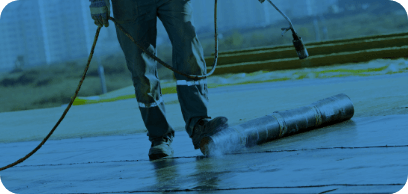
Do not be penny wise and pound foolish when it comes to waterproofing your building. It may sound like an unnecessary and negligible task but reports have shown that waterproofing accounts for only 1% of a building’s construction cost but when ignored, can be responsible for up to 90% of the cost of damages due to leaks! When a proactive approach is not taken to address this issue early on, it will result in structural breakdowns, leaks and mould leading to expensive rectification works. This was one of the observations during site visits for the recently concluded EdgeProp Malaysia Best Managed and Sustainable Property Awards 2020 organised by EdgeProp Malaysia in partnership with Nippon Paint Malaysia. So what happens when leaks are left unchecked over time? Besides damaging the paint on the walls and the wall itself, it will also cause ponding on ledges and sills leading to stains, delamination and fungi growth, thus creating health hazards for building occupants. Malaysia’s hot and humid climate encourages the growth of microorganisms where there is trapped moisture. Fungi and other invisible enemies in the air can affect the health of those residing in the building as they can cause respiratory illnesses such as asthma attacks and other irritations and infections, especially for those who are more vulnerable like young children and the elderly. Furthermore, stagnant water from water leaks is also the perfect breeding ground for mosquitoes leading to illnesses such as dengue fever. On top of that, ponding or pooling of water is especially dangerous when you have young children and the elderly moving about as the slippery surface can result in unwanted falls. Challenges In Waterproofing Waterproofing is a technical task that requires experts to make sure the solutions are applied in a correct manner. Without the correct surface preparation and application method, the waterproofing process might be jeopardised and cause further damage to the building. For instance, to waterproof concrete walls or floors you must first ensure that the surface is clean and dry. Old paint must be removed from the surface and the area needs to be cleaned to ensure no dirt is left behind. If necessary, a warm water and soap mix can also be used to scrub off dirt from the walls and floors. Holes must be patched using hydraulic expanding concrete mix and a minimum of 24 hours of drying is needed before any waterproofing work is done. It is also important to distinguish the difference between damp-proofing and waterproofing. Damp-proofing keeps moisture out of the surface while waterproofing keeps both liquid and moisture at bay. When in doubt, get professional help. Waterproofing solutions provider such as Nippon Paint strives to help by providing its expertiseand advice in the pre, during and post-waterproofing process. Solutions Having worked closely with their counterparts in China with a long standing presence in the waterproofing industry backed by knowledge and evolving technology, Nippon Paint has contributed to the completion of several iconic projects such as the Hong Kong-Zuhai-Macau Bridge and the Beijing-Shanghai High Speed Train. Over the years, Nippon Paint has developed systems and products ranging from liquid applied, cementitious and sheet type of waterproofing membranes as well as accessory items for applications that require special care. Its myriad selection of waterproofing solutions for above ground wet areas and below ground structures bears testament to its efforts as the total coating solutions provider. To specifically tackle leaks from complicated roofs that have lots of detailing, Nippon Paint offers several solutions. One is the Nippon LM ACR -- a breathable liquid applied waterproofing membrane which is air cured to form a seamless UV-durable, protective waterproof and decorative membrane. The Nippon LM ACR can also be used to prevent blistering issues. Another solution for complicated roofs is the Nippon LM PUSIL which is also a liquid applied waterproofing membrane with an additional feature to treat rising damp in walls. It is resistant to rain wash-out and possesses excellent weather durability. Nippon LM PUSIL can be applied on various substrates and under conditions such as cold days and on damp or wet surfaces. For simple roofs without much detailing, the Nippon SM BITUMEN S3000/S4000 – a sheet formed waterproofing membrane, exhibits excellent mechanical strength, elasticity and durability. It is designed to be placed on top of concrete slabs, providing an economical efficient waterproofing solution to basements and concealed roofs. These waterproofing solutions do not need complicated and expensive machinery to execute and are recognised for their good weather durability, attractive colours and chemical resistance. They can be applied to obtain the desired specified thickness in a single trowel application. Depending on the type of surface and condition of the area, getting an expert to advice on the suitable waterproofing methods and surface preparation is vital so that the process can be done in the right way from the very start. Some Waterproofing Methods Liquid-Applied Membrane Method This liquid-based and fully bonded, monolithic coating is suitable for many roofing and waterproofing applications. It cures to form a rubberlike elastomeric waterproof membrane and can be applied on various substrates such as concrete and asphalt. Cementitious Coating Method This cement-based modified with acrylic polymers method makes use of the polymers to improve elastic and adhesion properties while the cementitious materials provide the tensile strength. The coating prevents water ingress and makes the coating elastic. Sheet-Type Based Membrane Method One of the most common types of sheet-based membranes is the bituminous waterproofing membrane. Arriving in the form of rolls, it has to be unfurled and laid on a firm surface before it is stuck to the substrate with a hot tar-based adhesive using blowtorches. Consequences Of Not Waterproofing Your Building Structural breakdown Ponding at ledges and sills Stains, delamination and fungi growth Damages external wall painting Respiratory illness Slippery surfaces which can cause falls Customer Careline: 1-800-88-2663 E-mail: customercare@nipponpaint.com.my Website: https://professional.nipponpaint.com.my
Waterproofing is often on the lower priority or excluded when planning for the pre-construction process, focusing on other factors such as design specifications and site preparation. To add on, waterproofing is also one element that increases the overall construction budget more often than not due to the complexities of the process. But living in a country that is susceptible to constant thunderstorms, rainy weather and frequent monsoon seasons increases the risk of damage to surfaces in the long run, deteriorating the building’s aesthetics as well as the quality of the interior and exterior surfaces of the building. Waterproofing is an investment that is surely worthwhile, benefitting property developers and owners in the long run. Why Is Waterproofing Necessary? The use of proper products and Coatings systems will build a strong waterproofing foundation for buildings, regardless of building typography, protecting surfaces from risk of long-term damage. Waterproofing is essential to help reduce moisture levels in the interior surfaces, preventing water damage and structural breakdown across common surfaces such as walls, ceilings, basements, floors, rooftops and, bathrooms. Insufficient waterproofing systems often lead to recurring problems caused by water leakage including cracks, blisters and mould – which produces mildew and spores that may potentially lead to respiratory problems in individuals. In the long term, repairing and regular maintenance for such problems will be more costly and ineffective than preventing these issues in the first place. A Waterproofing Checklist Waterproofing system and coatings varies for different buildings typologies, depending on the conditions and areas the buildings are situated during the pre-construction phase. Whether restoring older buildings, or working on new projects, it remains critical to take into account these considerations to protect structures for the long run: Assess the current underlying conditions and issues of the buildings prior to the development and construction process Before starting work on implementing waterproofing systems, a thorough assessment is required to ensure the correct waterproofing solutions are applied according to the nature of the premises. There are various types of waterproofing membranes (i.e cementitious membrane, liquid membrane sheet membrane amongst others) to be considered according to building specifications, complemented with an effective design which ensures optimum feasibility of the solutions. For existing structures which require certain waterproofing solutions to be applied, prior repair or maintenance work may be necessary to ensure that the waterproofing system when applied, is effective. Identify areas that require waterproofing systems While areas such as the bathroom, rooftop, kitchen and swimming pools typically require waterproofing, other areas such as balconies and basements also require end-to-end waterproofing systems to adequately protect these structures from water damage. Waterproofing areas that are made out of concrete such as balconies and basements creates an added level of protection, preventing cracks from forming and protects the space from direct UV rays which are detrimental to the longevity of the area. Waterproofing also prevents the growth of mould and mildew, which consequently leads up to other recurring structural issues. Durable solution is key Waterproofing solutions are a long-term commitment for any structure, providing a strong and sturdy foundation, and thus it is important to ensure that the selected waterproofing system is durable. Weigh the pros and cons upon thorough assessment of the premise to ensure that the solution chosen is long-lasting, cost-effective, but also minimises the need for maintenance or repair works over time.