



Overcoming Flat Roof Waterproofing Problems for a 40-Year-Old Condominium in Bangsar
An established freehold residential condominium in the Bukit Bandaraya area sits on one of the largest freehold land parcels in Bangsar, spanning approximately 8.3 acres. The development offers convenient access to the Pusat Bandar Damansara MRT station and lifestyle destinations such as Pavilion Damansara Heights, Bangsar Shopping Centre, Bangsar Village, and Mid Valley Megamall, with KL Sentral a short drive away.
Completed around 1987, it comprises roughly 200 residential units across multiple blocks. After decades of exposure to weather and environmental conditions, recurring flat roof leakage began affecting common areas despite earlier waterproofing work. This project highlights how the issues were systematically investigated and a proper re-waterproofing system for the flat roof was implemented to deliver reliable, long-term protection.
The Challenges
01
Recurring Leakage Issues
The recurring leaks on the flat roof were due to a deteriorated membrane, with previous attempts failing largely because of poor workmanship and lack of technical expertise.
02
Visible Building Wear
The building showed clear signs of water damage, including peeling and bubbling paint, especially in the corridors and beneath the flat roof, where water had begun to seep through.
03
Structural Wear And Tear
Constant moisture can gradually weaken concrete and rebar. Over time, this leads to deeper cracks and "concrete spalling," which requires more intensive intervention.
04
Living Environment Considerations
The unresolved water ingress may lead to mould growth if conditions worsen, potentially affecting indoor air quality and living conditions. Preventive measures should be taken early to avoid further issues and maintain a healthy environment for residents.
Over time, the flat roof showed clear signs of waterproofing deterioration. The existing membrane had weakened due to prolonged weather exposure, while poor drainage in certain areas caused water ponding on the flat roof surface. Hairline cracks also formed along the substrate, allowing water to penetrate the structure. As the issue progressed, signs of moisture intrusion began appearing inside the building, including peeling paint and visible ceiling stains in common areas.
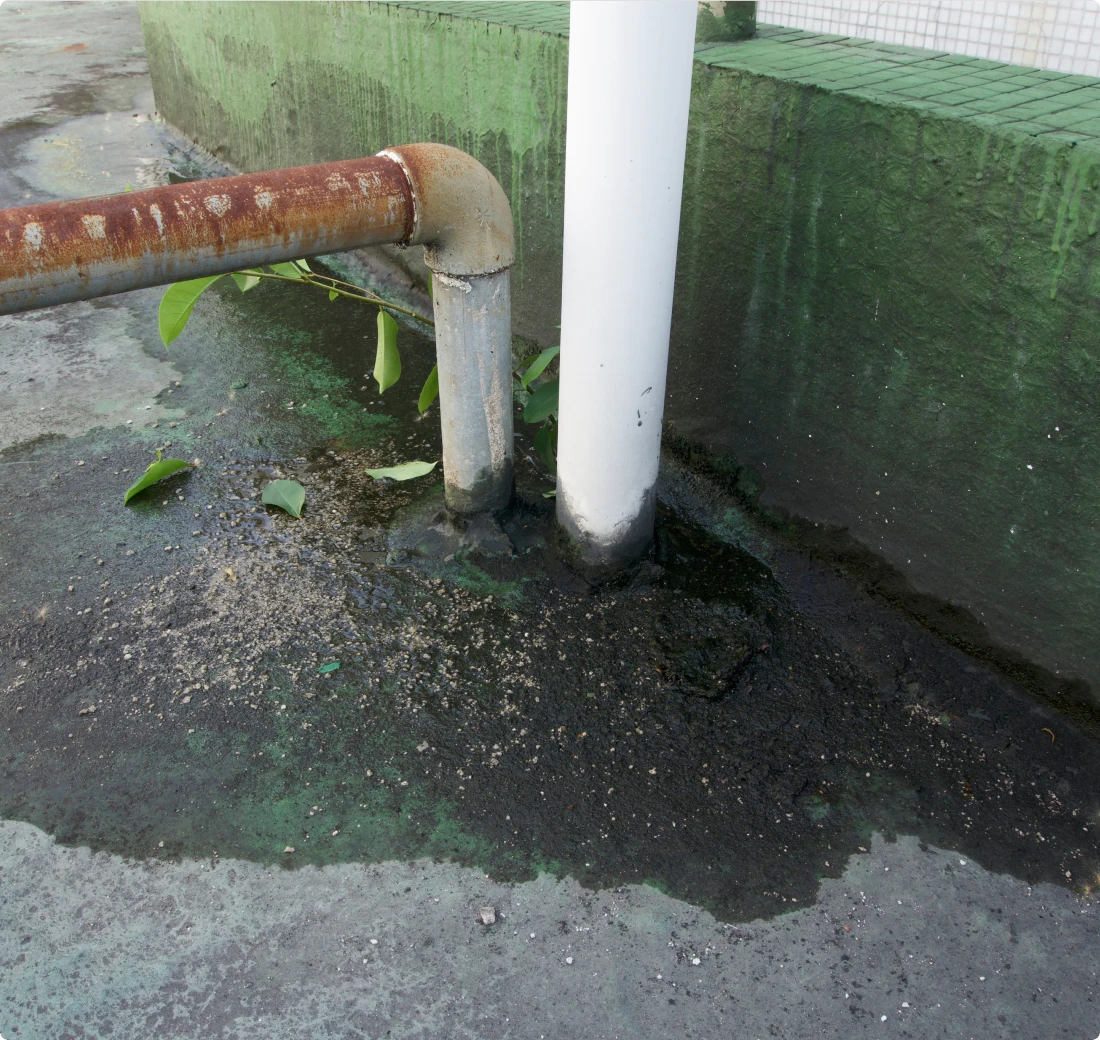
Blocked Water Outlet
Obstructed drainage points prevented proper water discharge, leading to accumulation and increased risk of leakage.
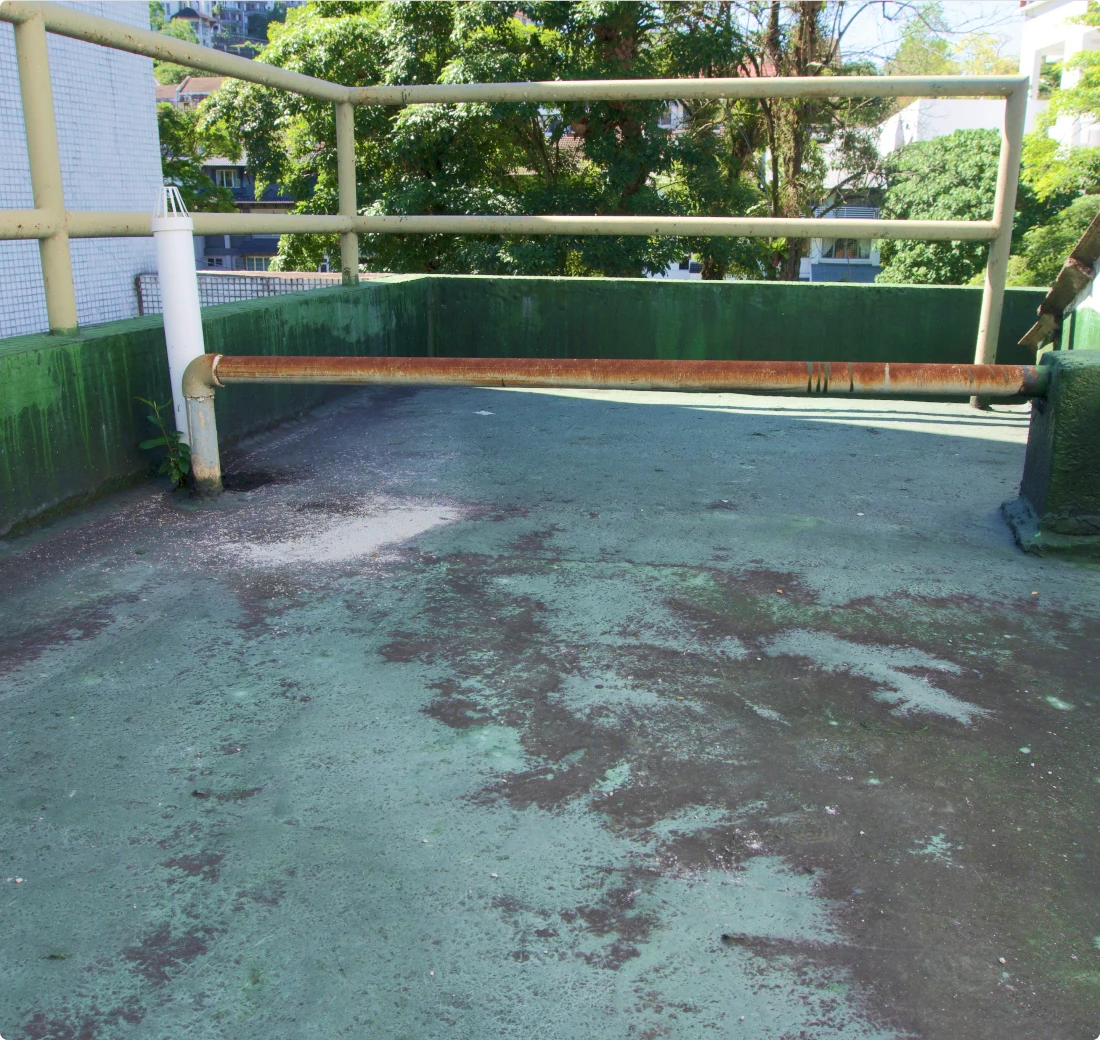
Deteriorated Membrane
The aging waterproofing layer lost its integrity, allowing water to seep through the flat roof structure.
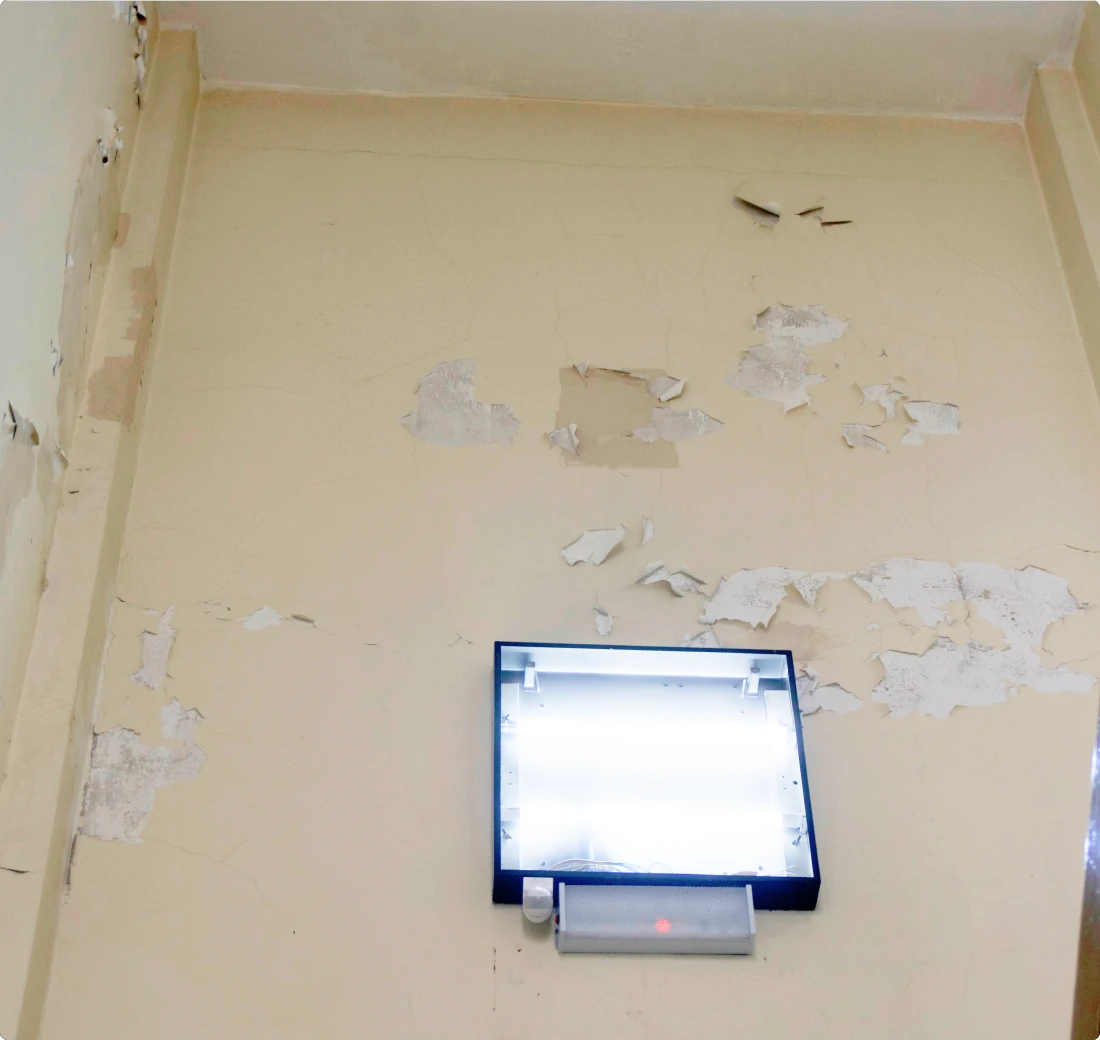
Paint Peeling
Prolonged moisture exposure caused paint layers to lose adhesion and flake off surfaces.
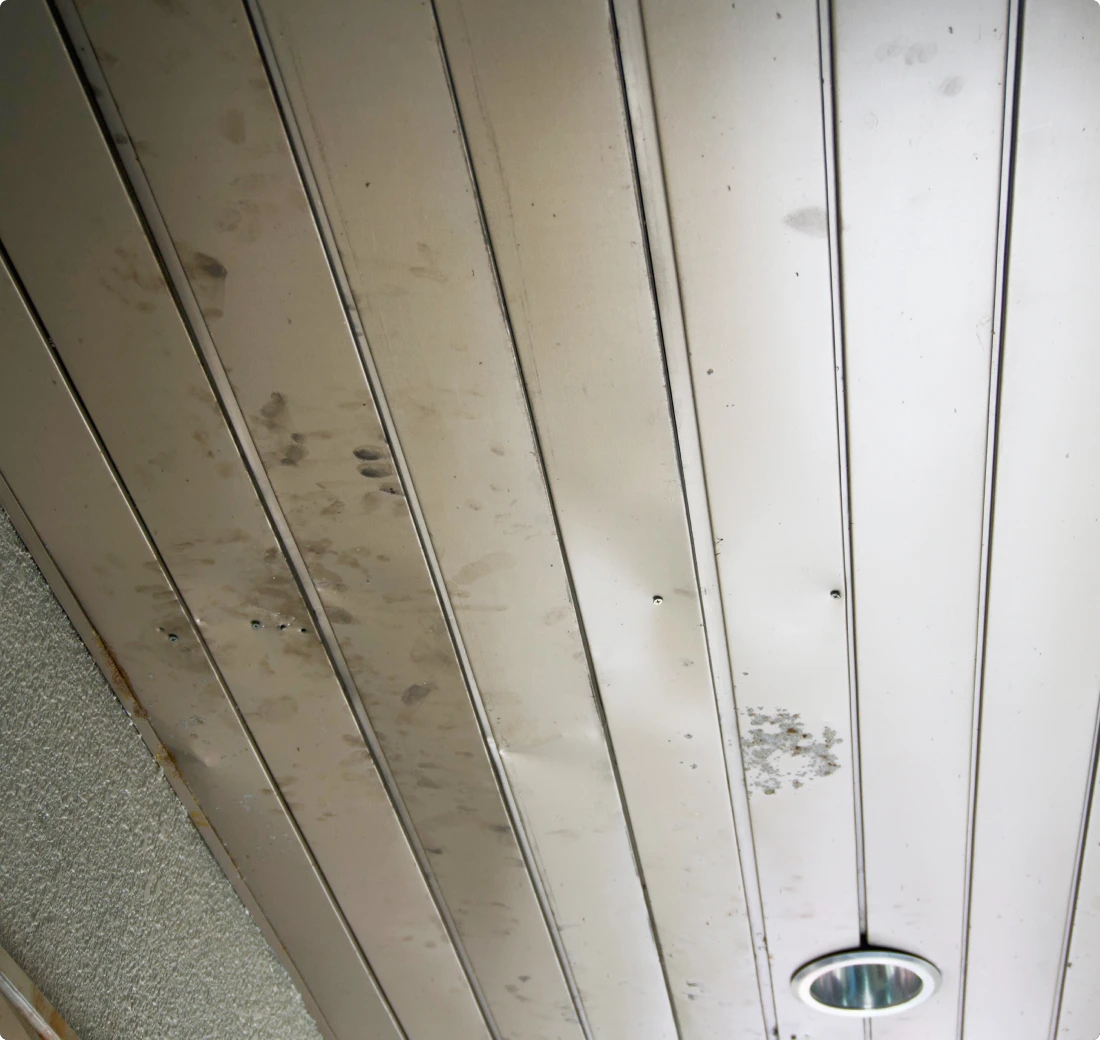
Metal Ceiling Stains
Persistent water ingress from the flat roof led to visible rust-like stains on metal ceiling finishes.
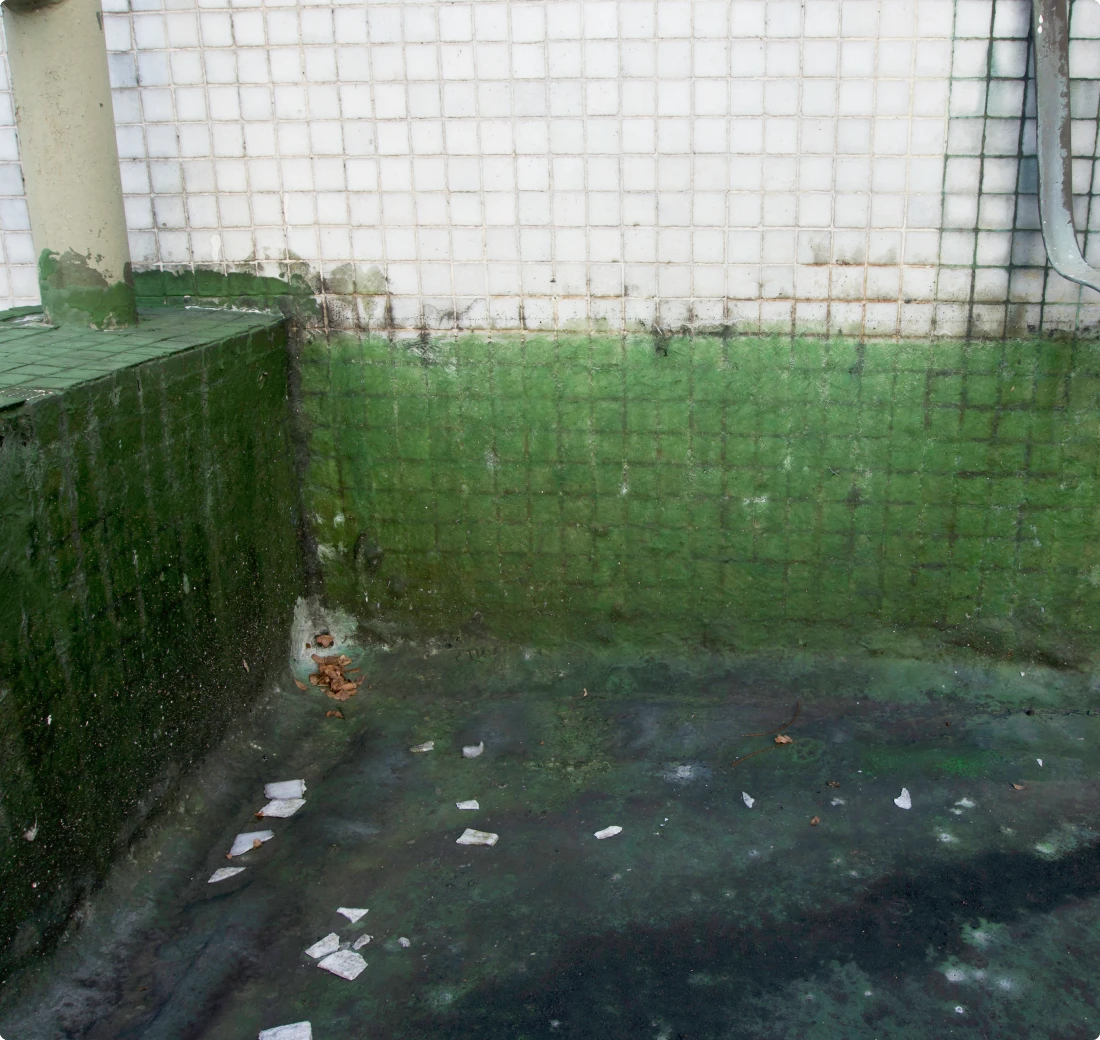
Mould Growing
Damp conditions created an ideal environment for mould growth, affecting indoor hygiene and air quality.
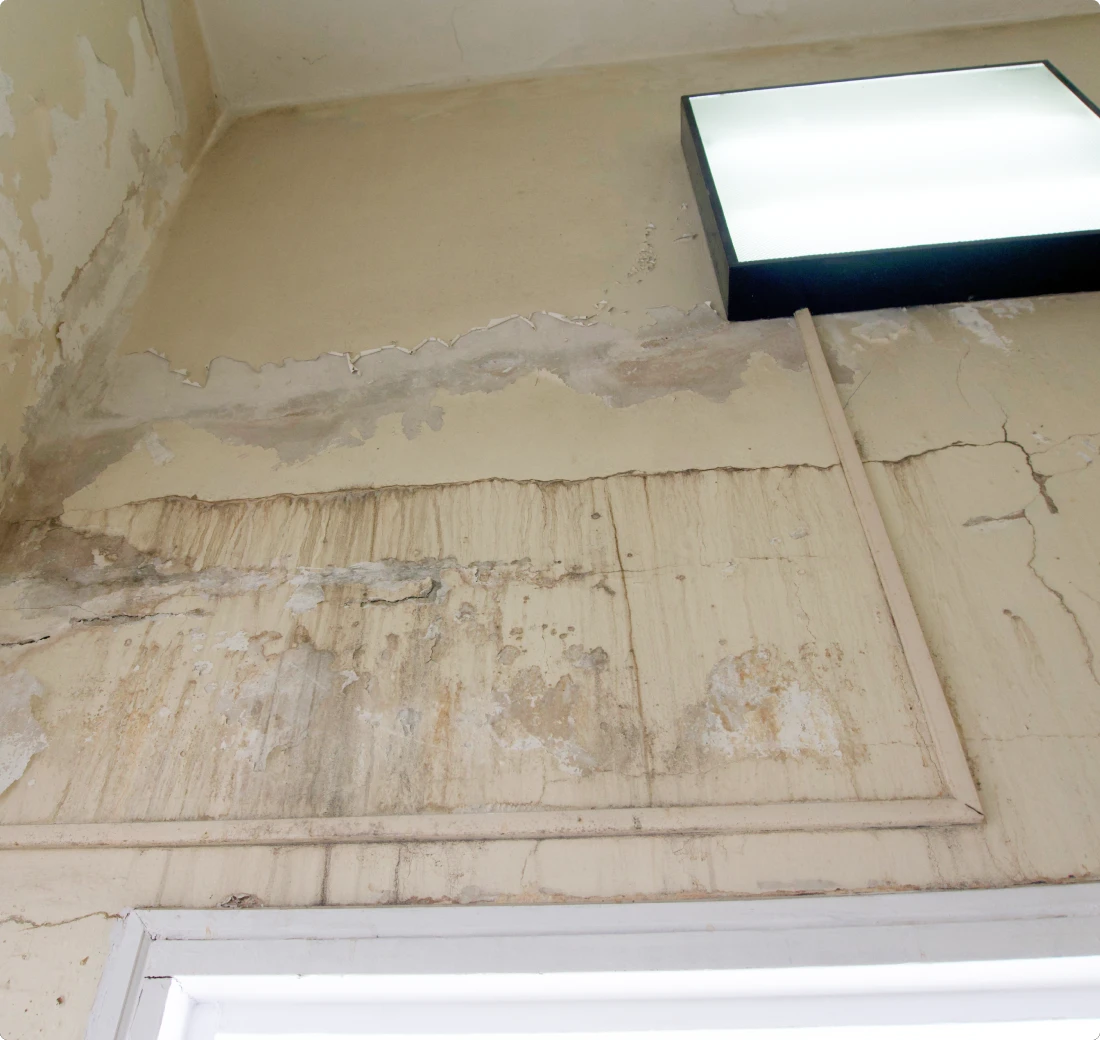
Water Stains On Walls
Penetrating moisture from the flat roof left unsightly discoloration and streak marks along interior wall surfaces.
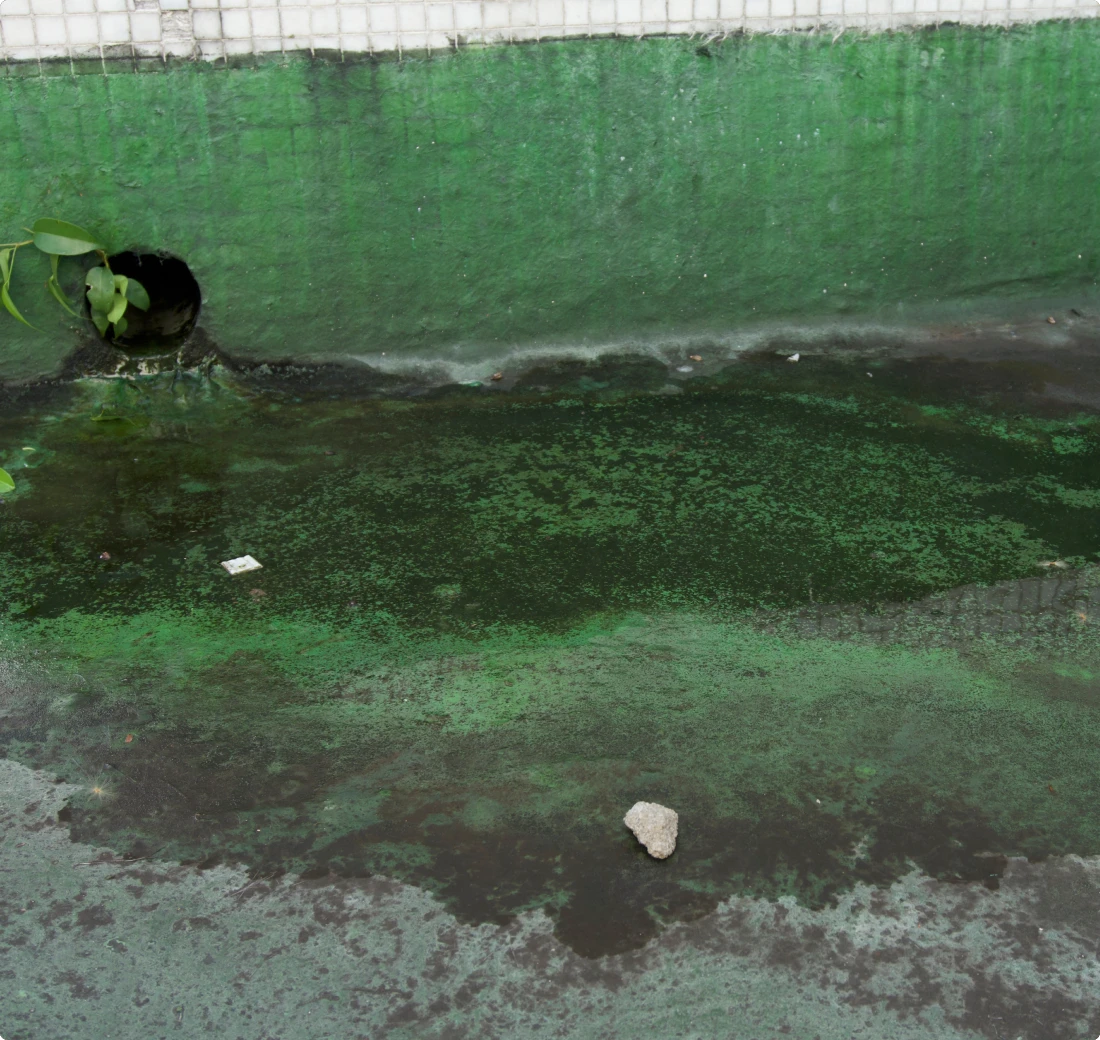
Water Ponding
Ineffective drainage and uneven surfaces caused water to collect and remain stagnant on the flat roof.
Resolving these issues involves carefully identifying the root cause, planning and coordinating repair works, and implementing measures designed to prevent recurrence. Taking a systematic approach ensures that the solutions are durable and the building’s performance is maintained over time.
Proper Waterproofing Is Your Building’s Best Defense
ASTRO AWANI
Industry Expert Insights on Proactive Waterproofing
Waterproofing, or water leakage prevention, is often one of the most overlooked aspects of building maintenance. However, even a small crack in a building surface can allow water to penetrate, leading to serious damage if the issue is not addressed early. In this feature, Nur Syazwani speaks with Nippon Paint waterproofing experts Aaron Ang and Vincent Ho to explore the importance of proper waterproofing solutions and understand how water leakage problems commonly occur in buildings.
IHERNG
How Proactive Property Management Solves High Rise Flat Roof Leakage
Tropical climate conditions make flat roof leaks a persistent challenge for high-rise developments. This on-site collaboration with Nippon Paint and iHerng highlights how a proactive approach can shift building maintenance from reactive repairs to systematic waterproofing. With proper material specification and execution, buildings can better safeguard their assets against heavy tropical rainfall.
Waterproofing System for Condominium Flat Roof
Every building has unique needs, and this high-rise project required a tailored approach. Nippon Paint delivered a waterproofing solution tailored to the flat roof conditions on site. From planning to post-work follow-up, the project was managed end-to-end to ensure long-term protection, durability, and peace of mind.
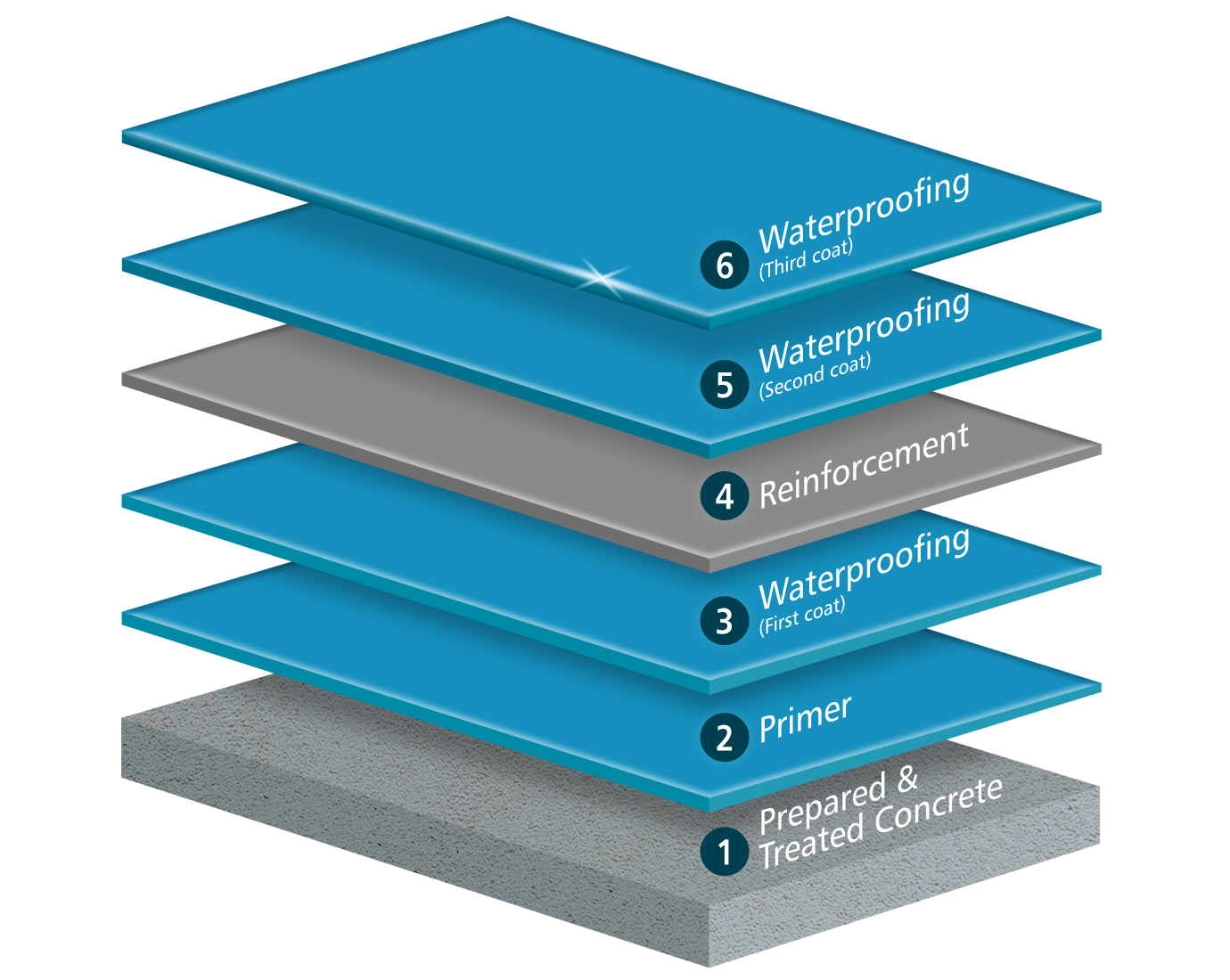
Prepared and Treated Concrete
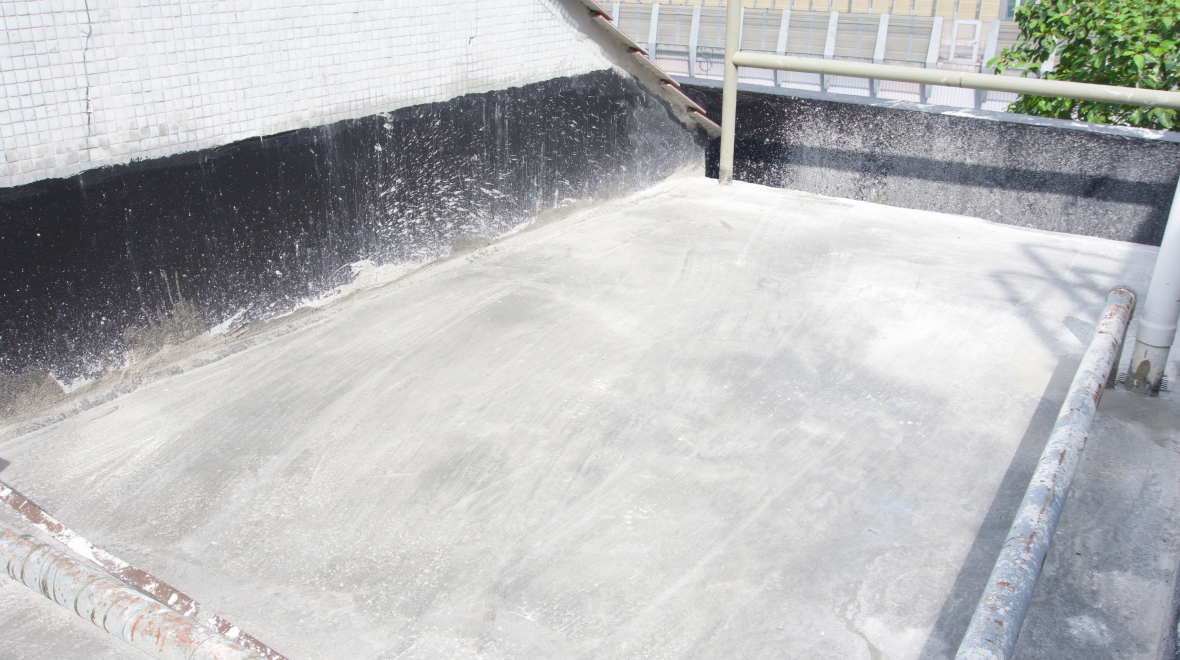
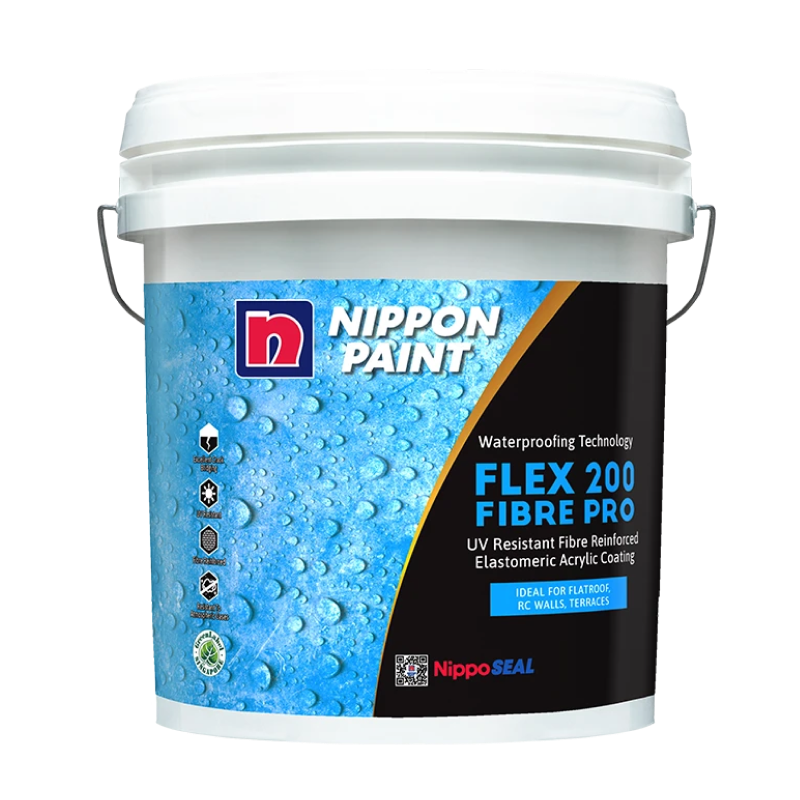
Primer
NippoSEAL Flex 200 Fibre Pro
- UV-resistant acrylic membrane
- Higher tensile strength due to microfibres fibre reinforcement
- Higher durability in area subject to movement
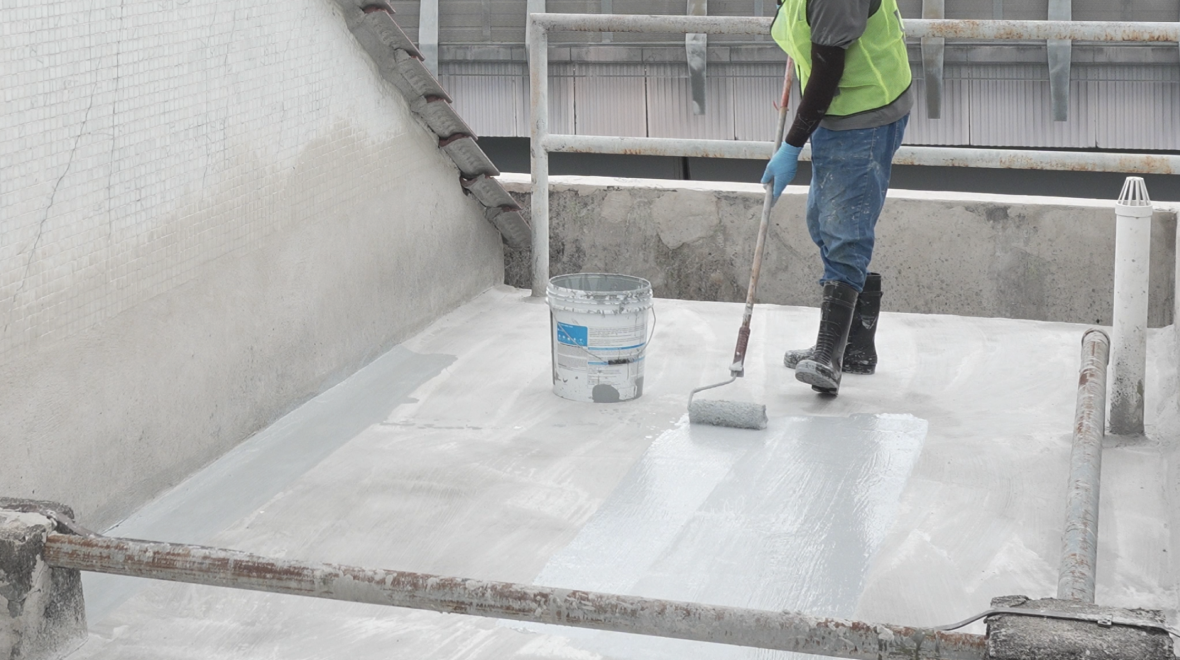
Waterproofing Membrane
(First Coat)
NippoSEAL Flex 200 Fibre Pro
- UV-resistant acrylic membrane
- Higher tensile strength due to microfibres fibre reinforcement
- Higher durability in area subject to movement
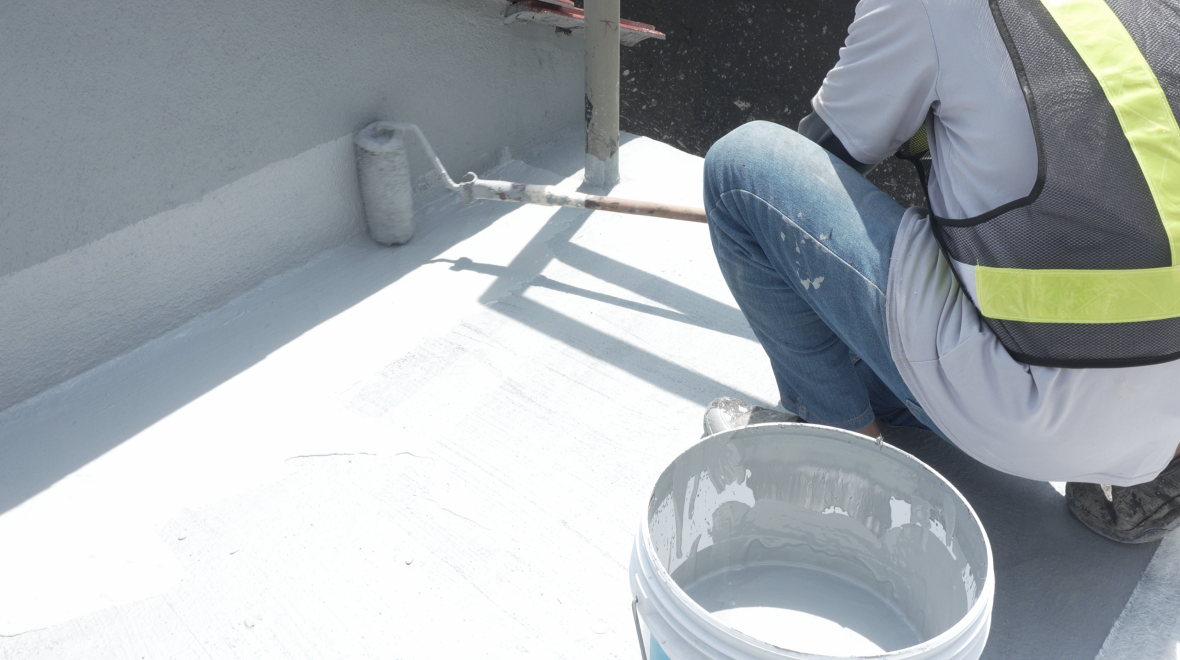
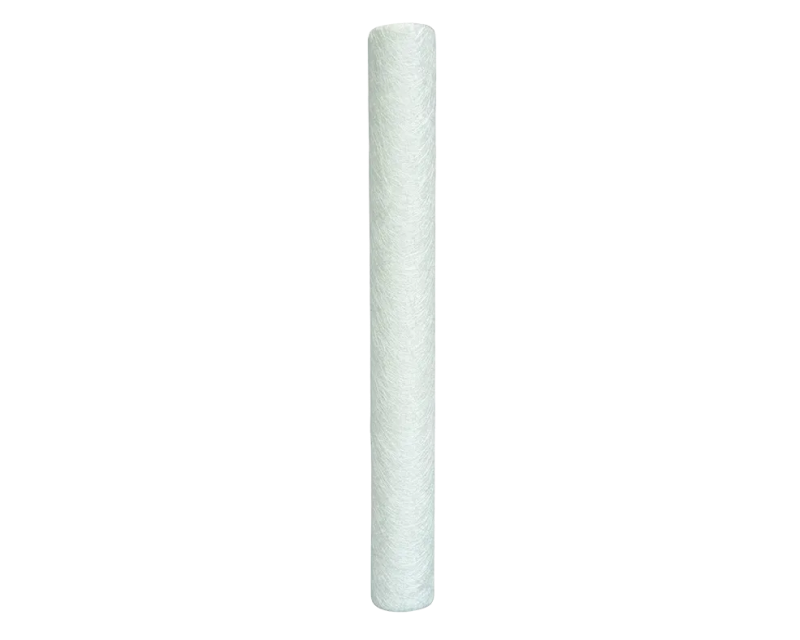
Reinforcement
LM MAT 225
- Fibreglass mesh to reinforce waterproofing membranes
- Improves strength and crack-bridging performance
- Ensures consistent membrane thickness
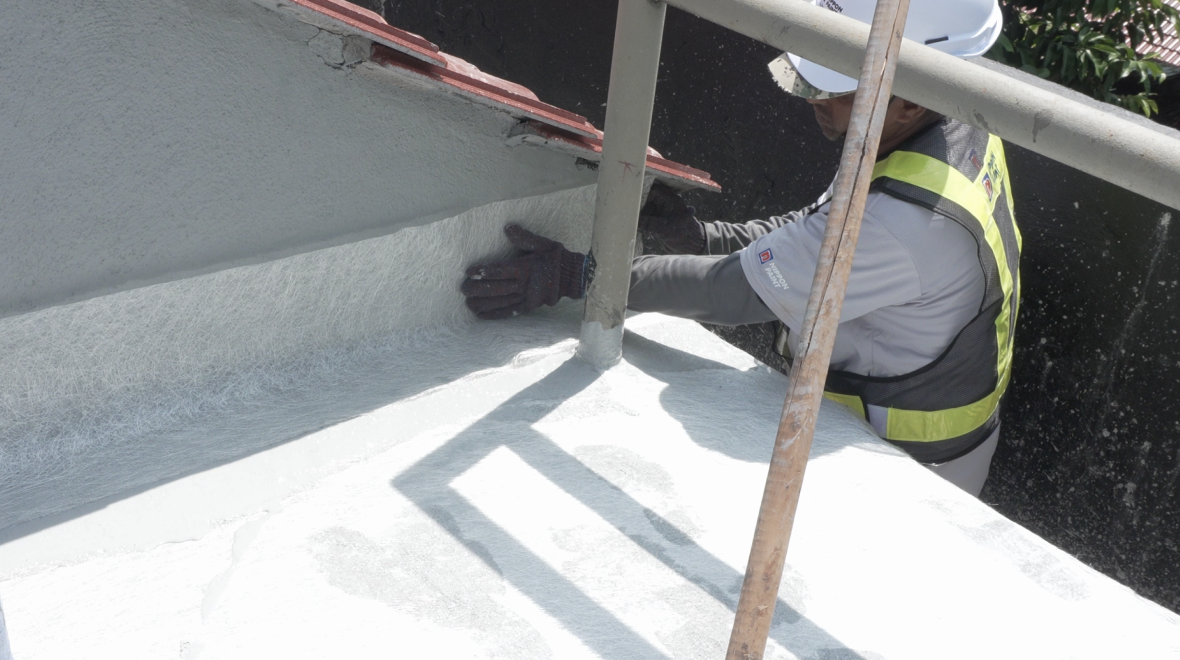
Waterproofing Membrane
(Second Coat)
NippoSEAL Flex 200 Fibre Pro
- UV-resistant acrylic membrane
- Higher tensile strength due to microfibres fibre reinforcement
- Higher durability in area subject to movement
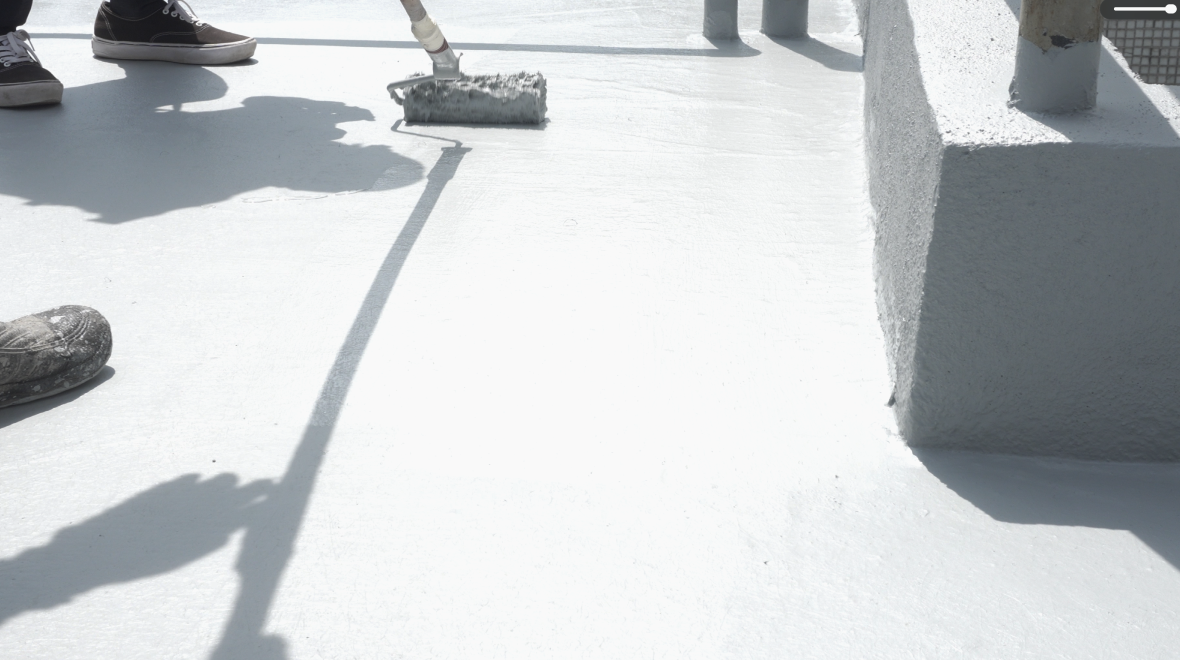
Waterproofing Membrane
(Third Coat)
NippoSEAL Flex 200 Fibre Pro
- UV-resistant acrylic membrane
- Higher tensile strength due to microfibres fibre reinforcement
- Higher durability in area subject to movement
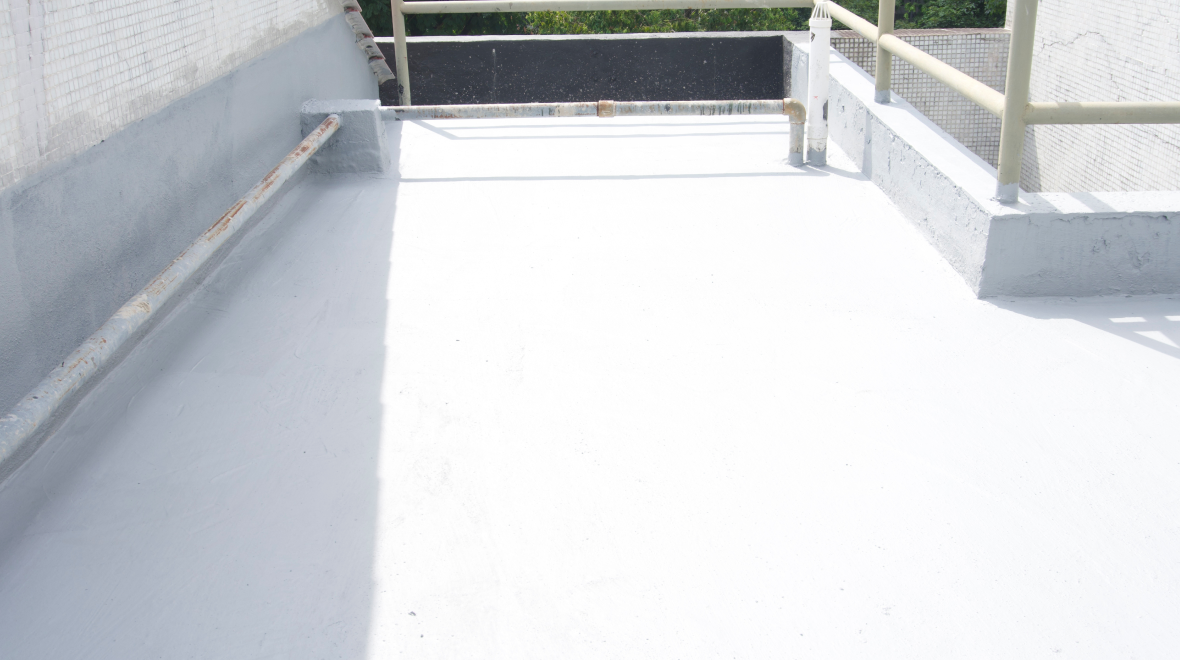
Total Protection from Water Leakage with Nippon Paint Waterproofing
Following the completion of the waterproofing works, the building saw the total elimination of its recurring flat roof leaks. This not only secured the top-floor units but also lifted the burden of constant maintenance. Most importantly, the project restored a sense of confidence among residents and the management committee, replacing the effects of earlier inadequate and less experienced workmanship with a reliable, long-term solution.
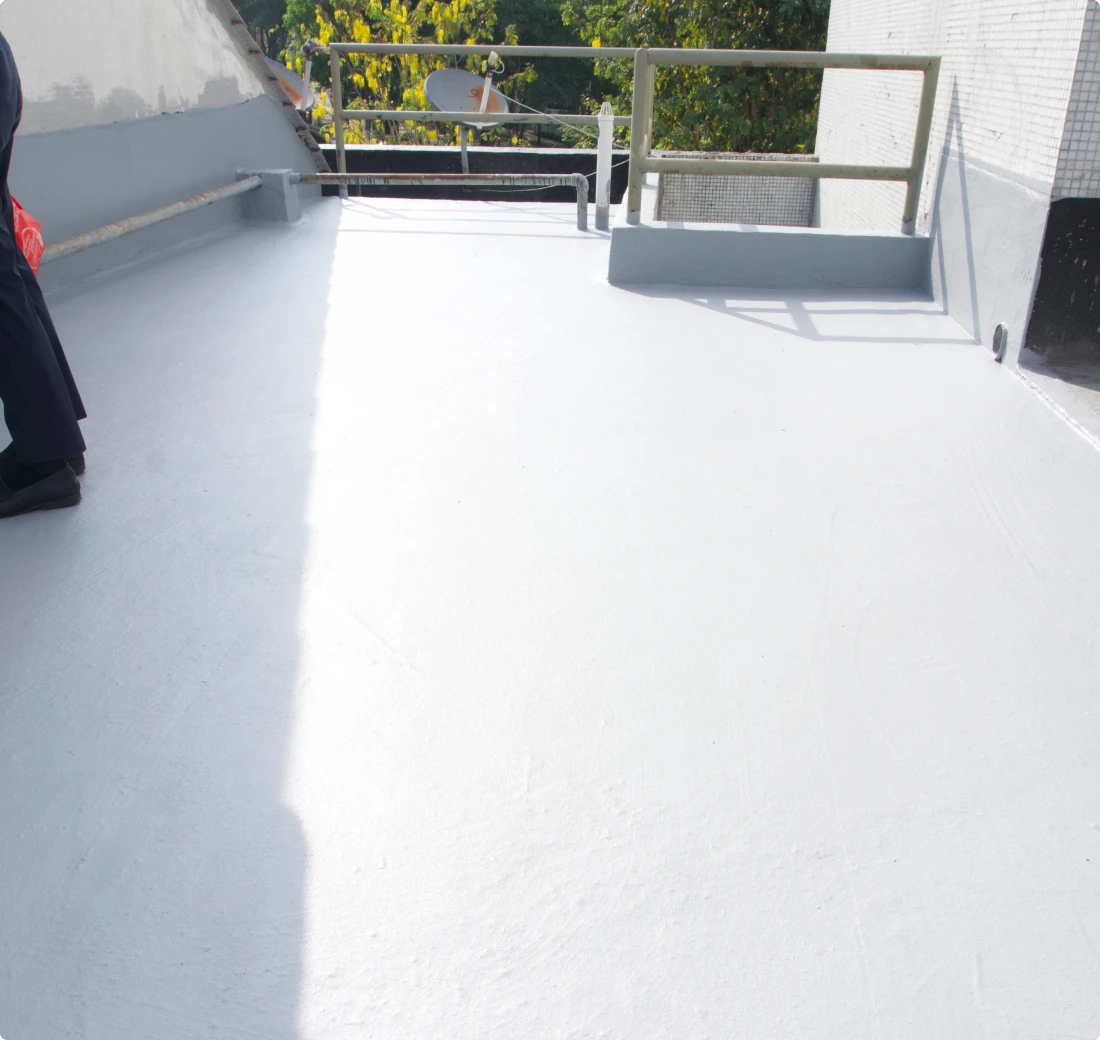
Water Ponding
Eliminated water ponding on the flat roof surface
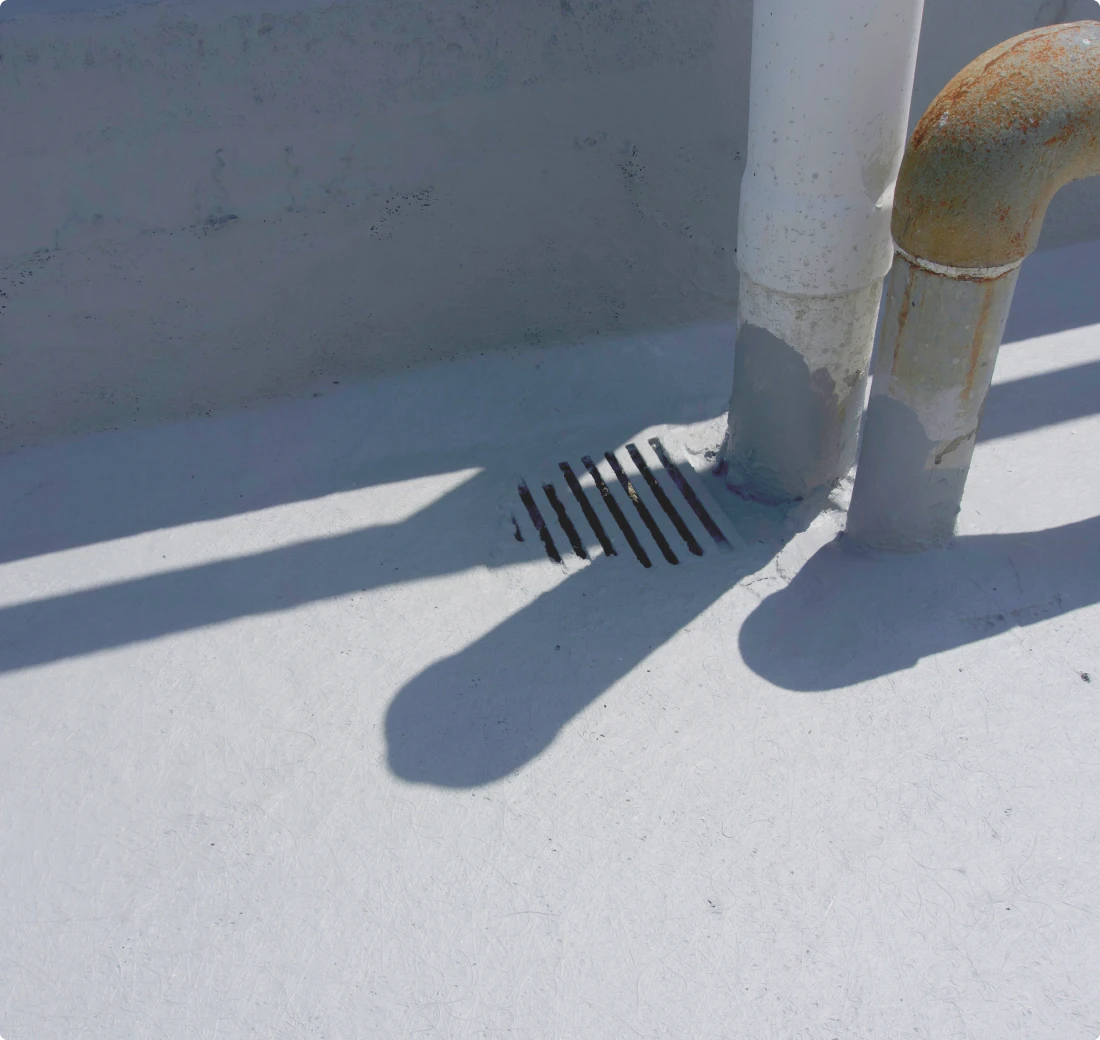
Blocked Drain Outlets
Cleared blocked outlets to restore proper drainage
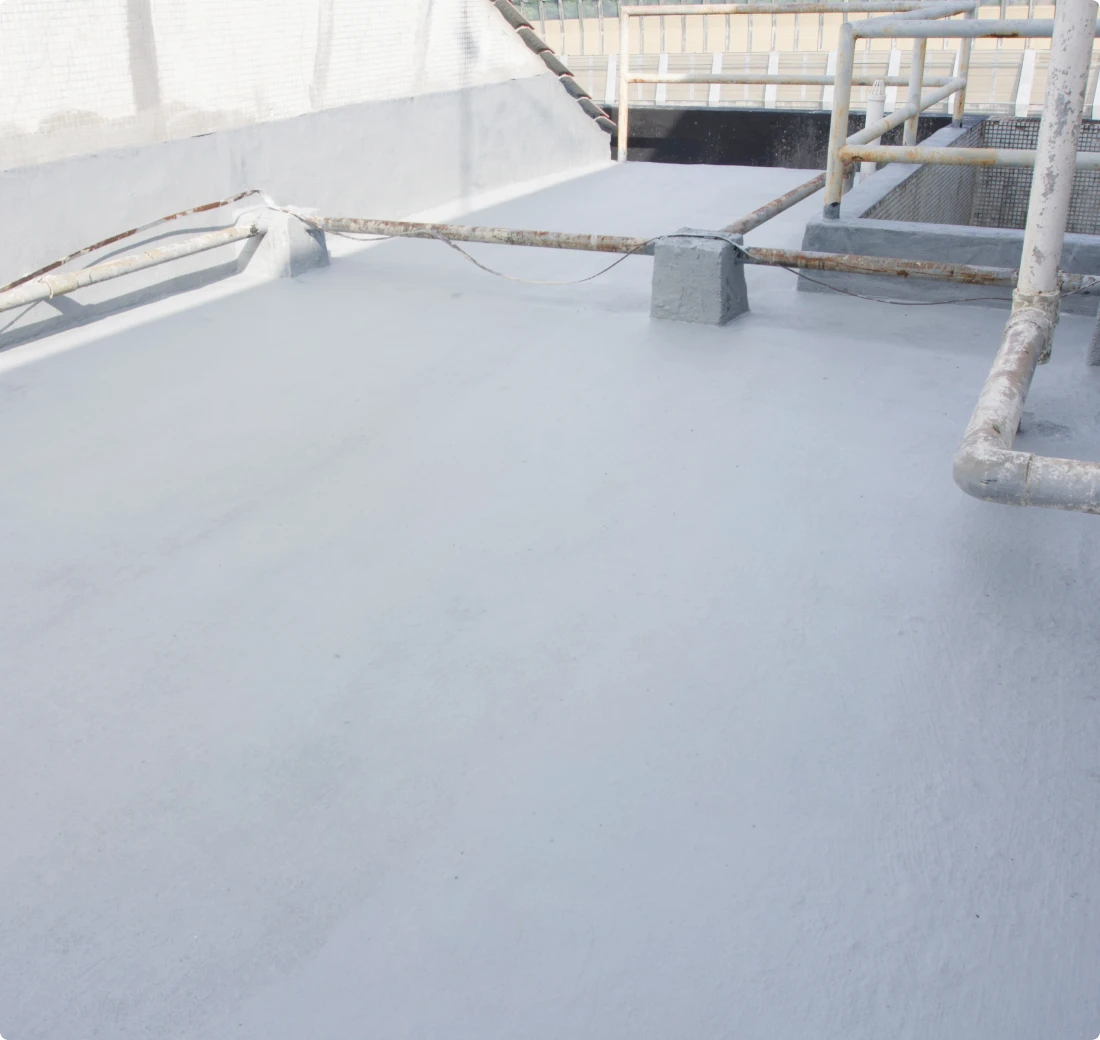
Waterproofing Completed
Completed a waterproofing system on the flat roof for long-term protection.
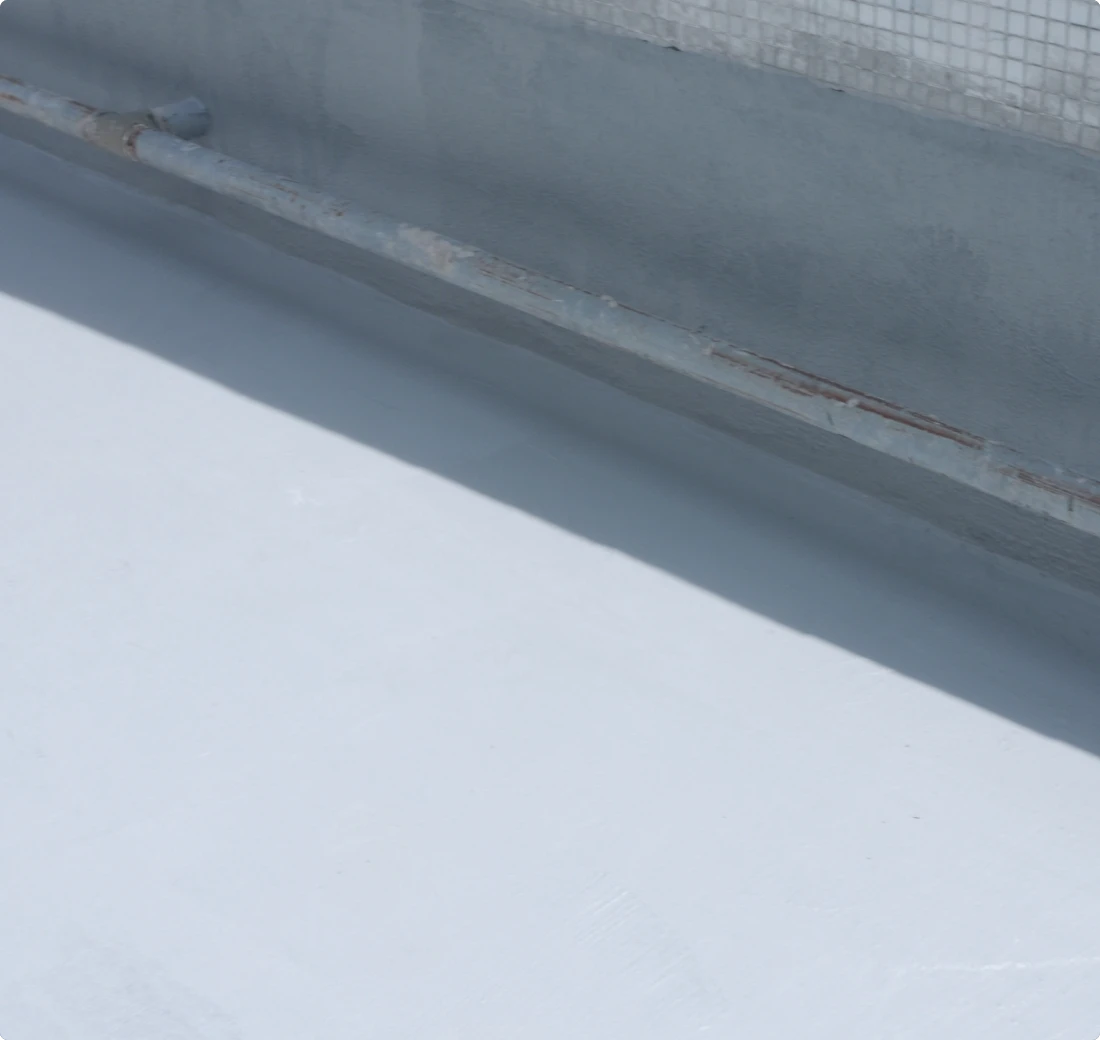
Hacked Wall Tiles
Removed wall tiles for proper waterproofing application
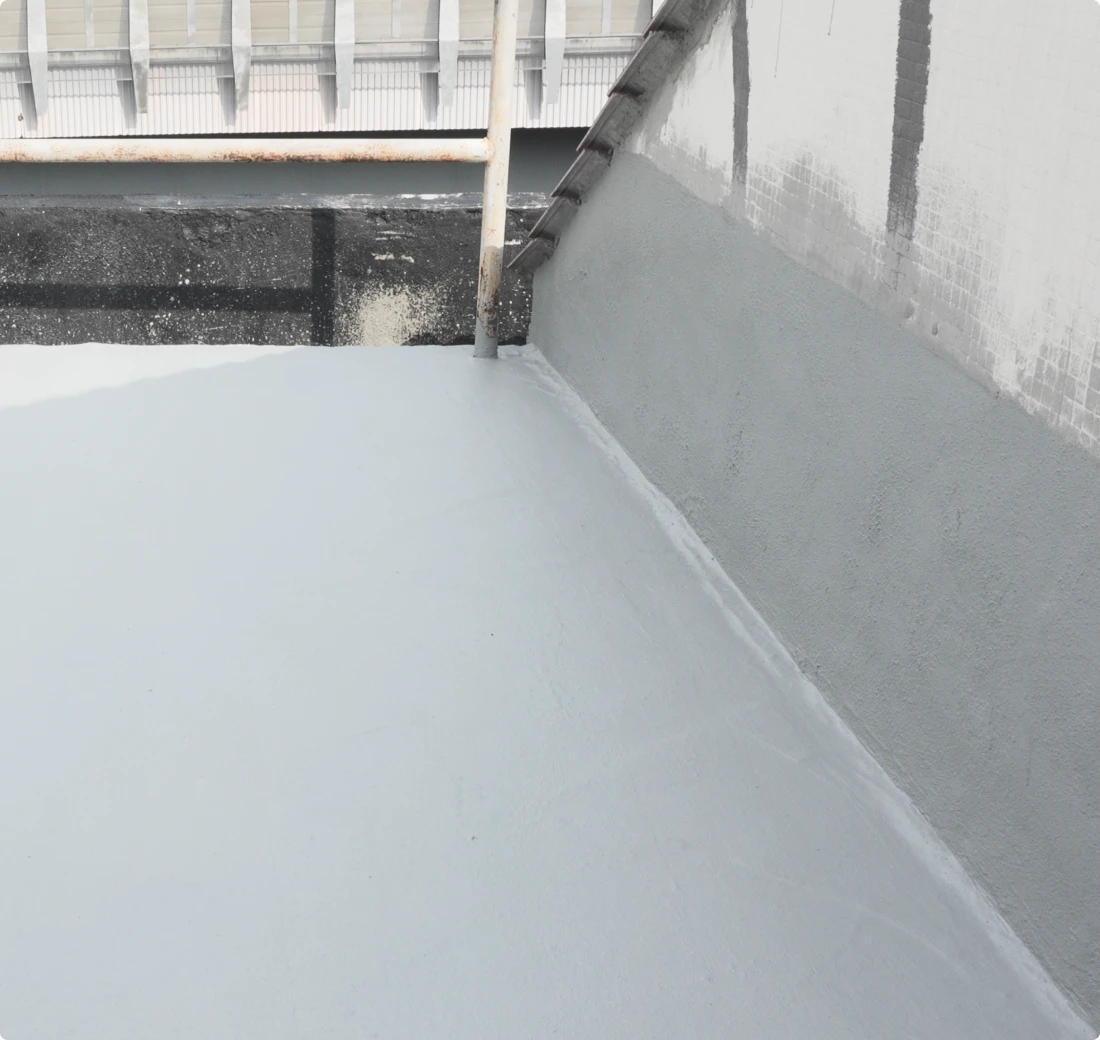
Angle Fillet
Added angle fillet for better waterproofing at joint
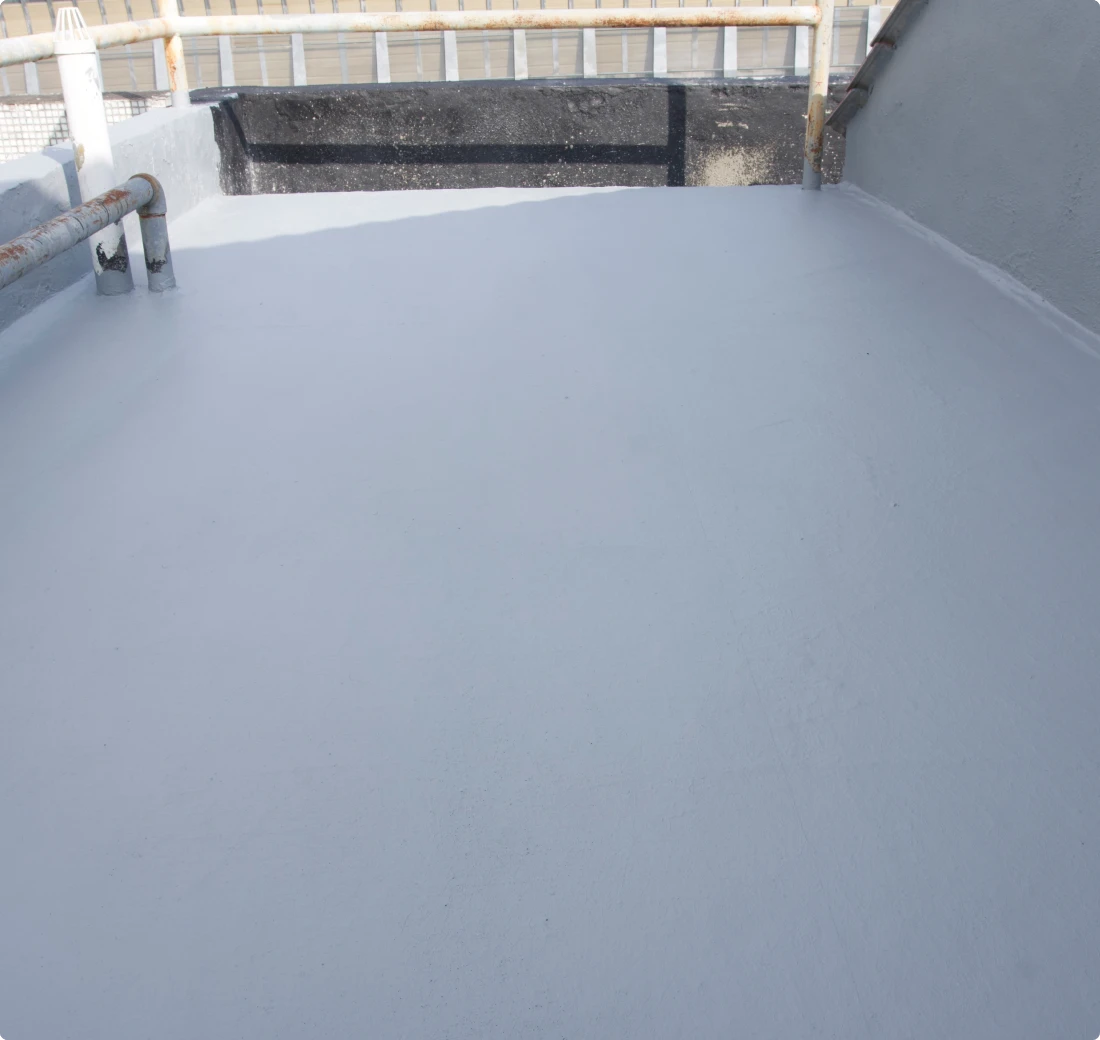
Gradient Improvement
Improved gradient for effective water flow to drains
A 5-Step Approach to Waterproofing Excellence
Protect your building with a professional, end-to-end waterproofing process. At Nippon Paint, we manage every project with precision and expertise, ensuring long-lasting performance and structural peace of mind.
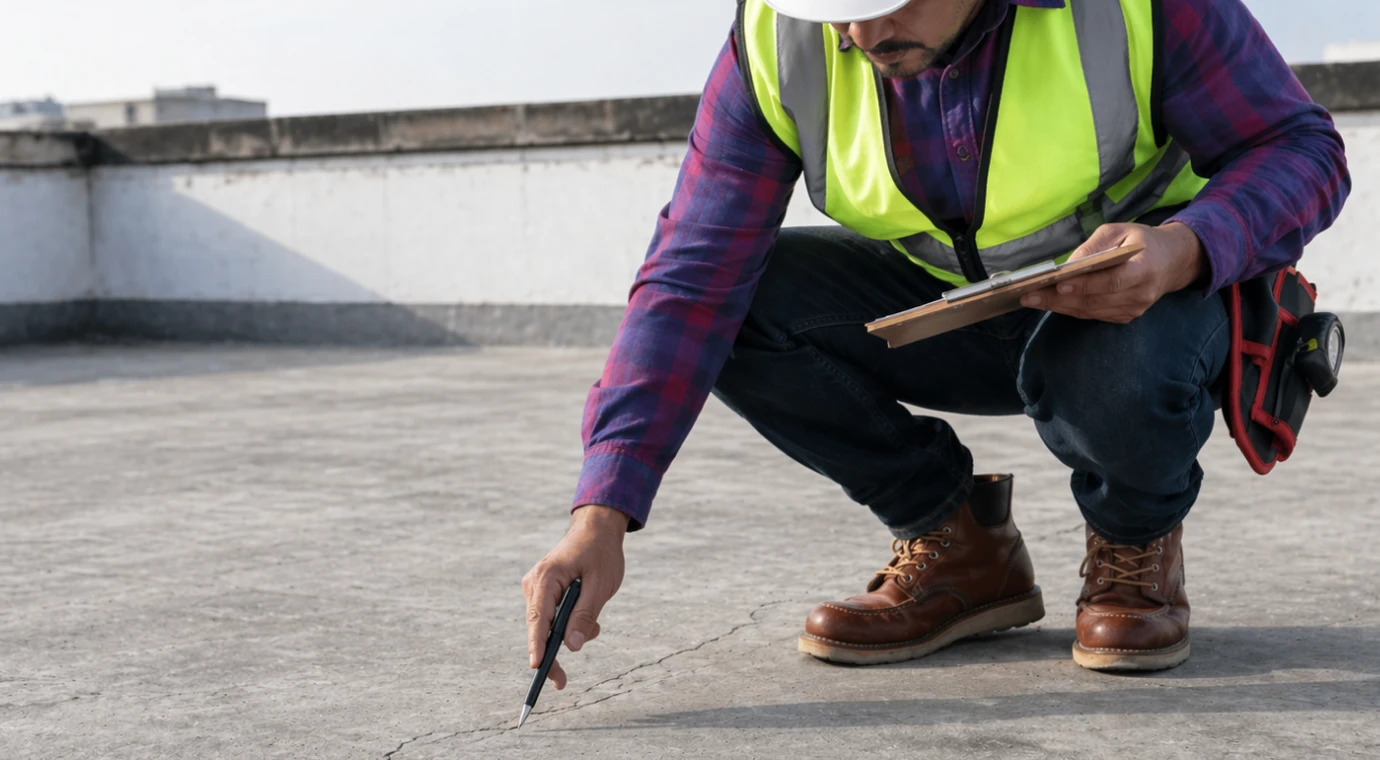
Step 1
Thorough Site Assessment
We begin with a comprehensive evaluation of the structure to identify specific focus areas and potential ingress risks. By assessing the substrate’s condition and environmental factors, we ensure the recommended strategy is perfectly suited to the building’s needs.

Step 2
Tailored Recommendations & Proposal
Our technical team develops a customised waterproofing plan, outlining specific materials and application methodologies. We provide a clear technical rationale for the proposed system, ensuring full transparency and alignment before the project commences.
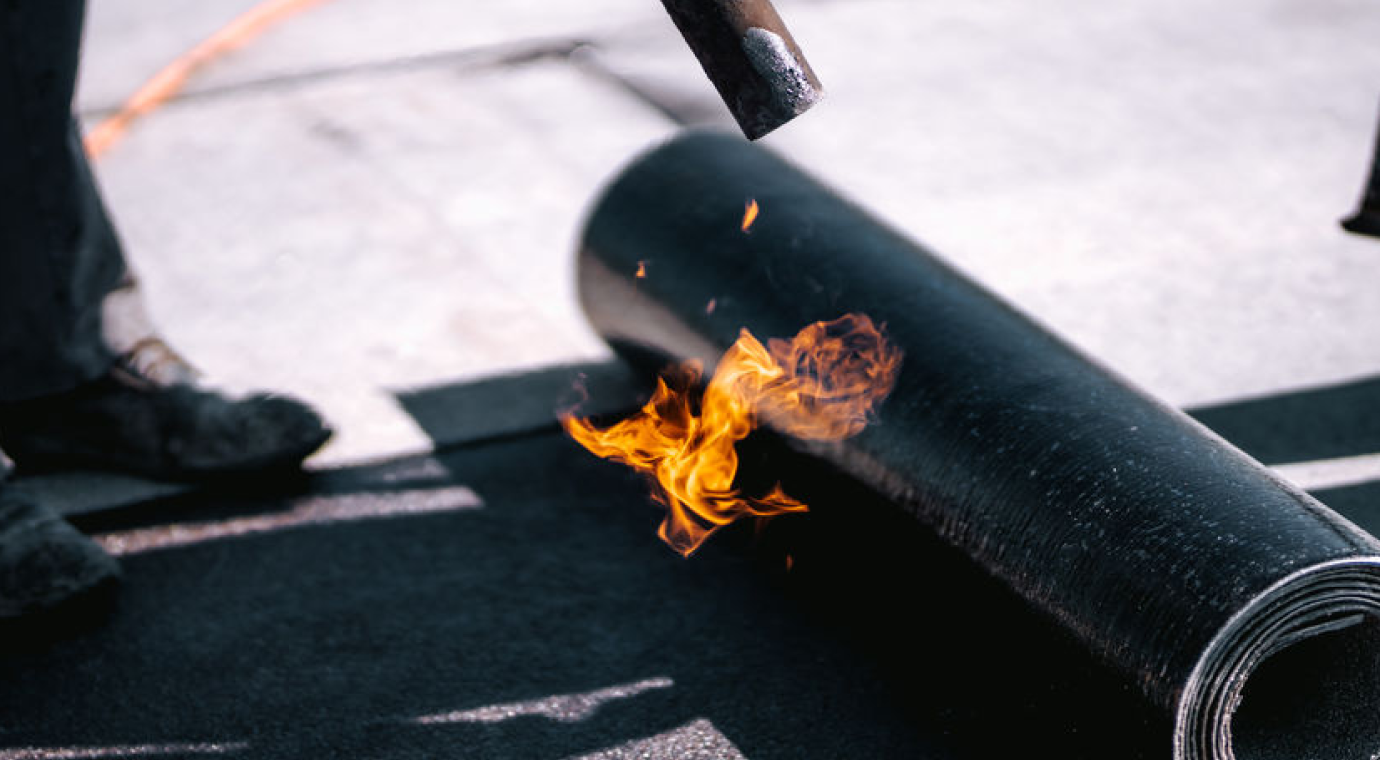
Step 3
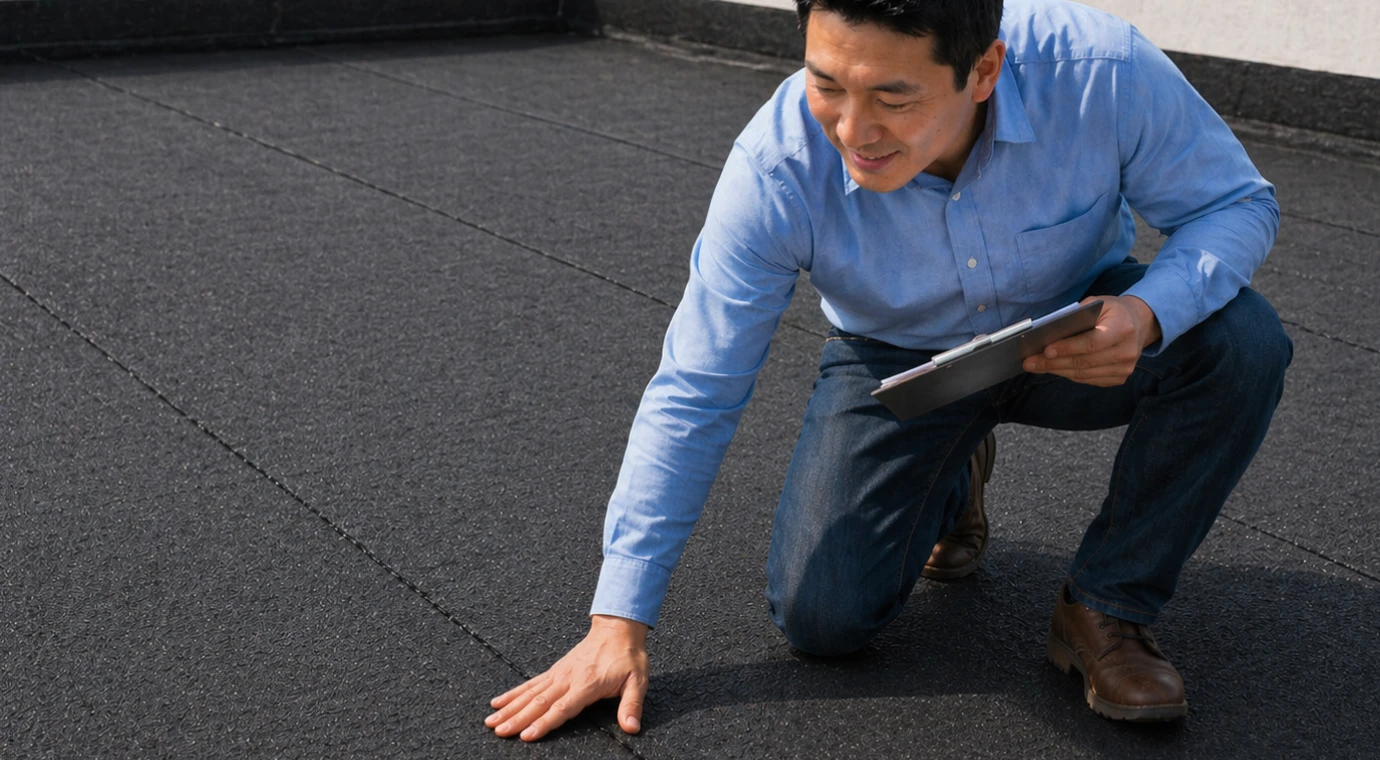
Professional Work Execution
Once approved, our trained applicators commence work using high-performance waterproofing systems. Every phase of the application is carefully managed and monitored to ensure precise execution, which is essential for achieving long-term durability and performance.
Step 4
Post-Application Quality Inspection
Following installation, we conduct a final, rigorous inspection to verify that all work meets our benchmark standards. This quality assurance phase ensures the integrity of the protective layers and guarantees optimal performance across all treated surfaces.

Step 5
Project Handover with Documentation
The process concludes with a formal handover and a complete documentation package. This includes a detailed method statement of the work performed, providing property managers with a clear, transparent record for future maintenance reference.
6 things you need to check When Choosing Waterproofing solution provider
Following the completion of the waterproofing works, the building saw the total elimination of its recurring roof leaks. This not only secured the top-floor units but also lifted the burden of constant maintenance. Most importantly, the project restored a sense of confidence among residents and the management committee, replacing the effects of earlier inadequate and less experienced workmanship with a reliable, long-term solution.
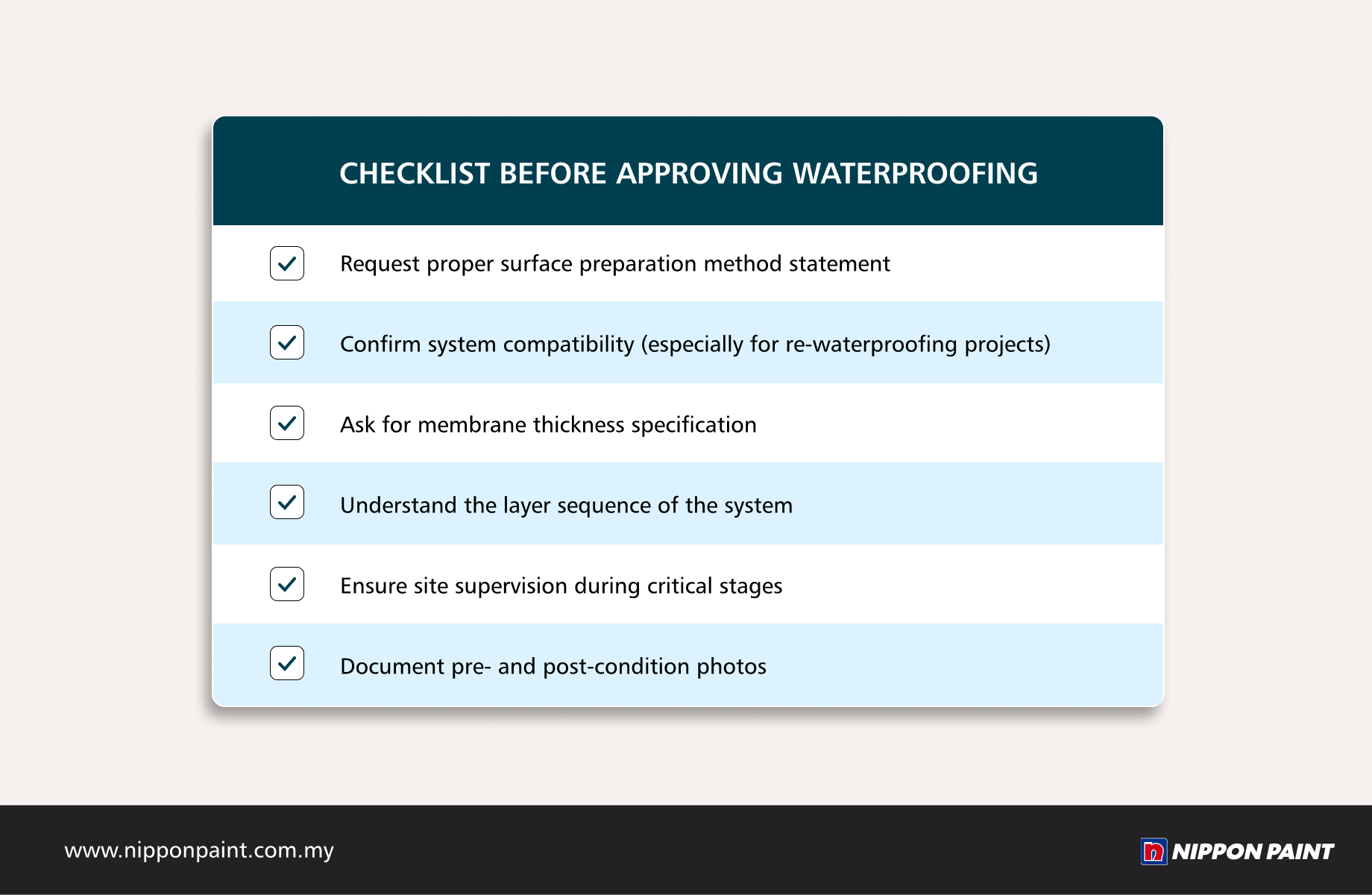
Choose us for absolute peace of mind. We oversee the entire waterproofing lifecycle, ensuring correct application and professional supervision from start to finish. Backed by transparent documentation and high-performance standards, we deliver the quality and reliability your property deserves.
Further information on Waterproofing Solutions
Download Official Brochure
Browse through more in-depth product information and solutions.

Contact us
We’re always glad to help if you need any assistance on your projects.